The Influencer Program / Guides
Become a Pinterest creator people find through search and buy from
How Pinterest decides what to show, the setup that builds trust, a 90 day posting plan, and how pins turn into affiliate and product income.
- 7 min read
- Updated Nov 25, 2026
- 100% free community
(Put your real links. No follower minimum, but you need to be an active content creator, otherwise you get rejected)
To become a Pinterest influencer, treat Pinterest as a search engine, not a social app. Pick a niche, use the exact words people search in your profile, boards and pins, post a few pins every day, and send people to your own page where your links and products live.
It is slower than a viral app but steadier. Plan on about three months before it really picks up.
Why is Pinterest different from TikTok and Instagram?
People do not open Pinterest to scroll past friends. They come looking for something specific, like easy recipe ideas, a budget tracker or a dorm room setup. Think of it as a giant library of answers. The search bar is the librarian. It pulls out the pins that best match the words someone typed.
That changes what works.
- You do not need to go viral. You need to match what people search for.
- You do not need to show your face. Many accounts run without one.
- Your pins keep working. A pin can show up in search for months, on Pinterest and on Google.
- People are ready to act. Someone searching for the best candles for a small apartment is far more likely to buy one than someone scrolling a feed.
Pinterest has over 500 million monthly users, and most of them are on their phones. Most users are women, which matters when you pick a niche.
How do you pick a Pinterest niche?
Pick one area you know and enjoy. You will make a lot of pins, so it helps to like the topic enough to treat it as a hobby until it pays.
Then check that people want it.
- Audience insights. In your business account, look at all Pinterest users to see the biggest categories. Art leads, followed by entertainment, design, home decor, do it yourself and crafts, fashion and beauty. Click a category to see its smaller topics.
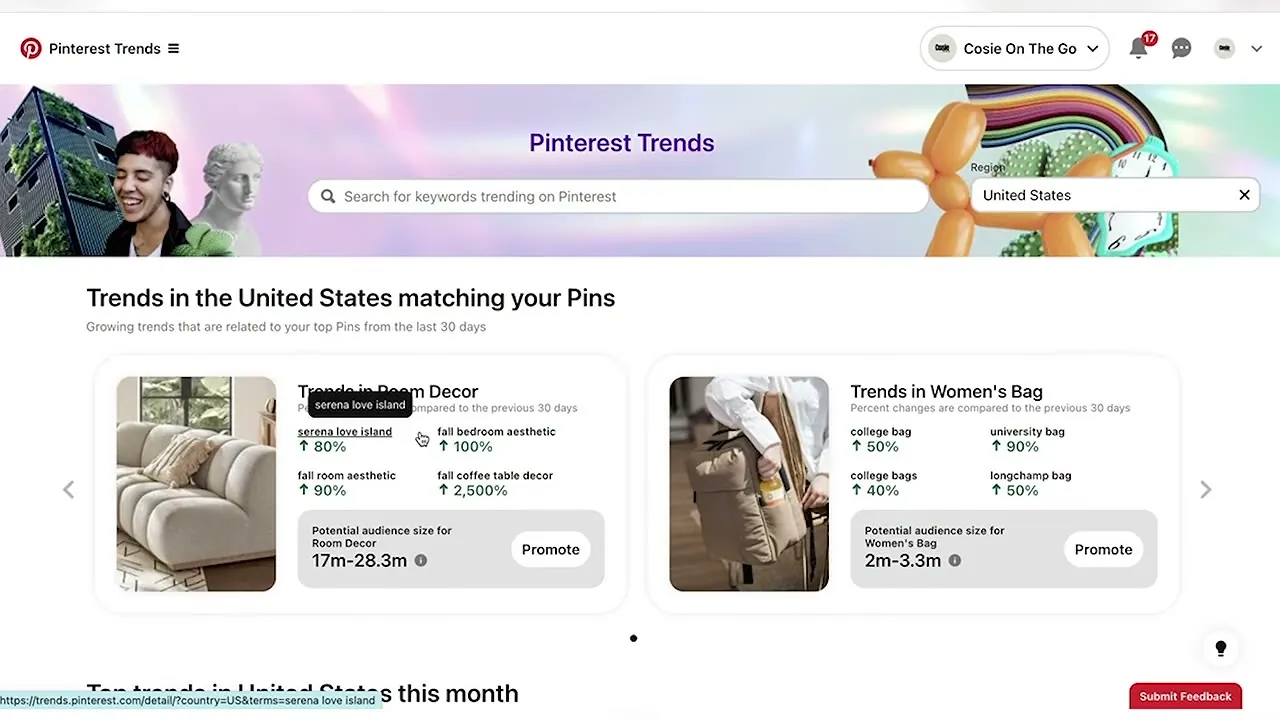
- Pinterest Trends. See what people in your country search for this month and what is growing week to week.
- Top accounts. Search your topic and study the pins that come up first: the fonts, the colors, the titles.
Keep the whole account in one lane. If one pin is about carrots and the next is about haircuts, nobody knows what to follow you for, and Pinterest does not know who to show you to.
How do you set up a Pinterest account to grow?
Do this in your first two days.
- Create a free business account, or switch your personal one. You get analytics and insights.
- Claim your website. This tells Pinterest the site is yours and helps it trust your account.
- Put keywords in your name. Your name plus a short phrase about your niche, like home decor styles for a younger crowd.
- Write a bio that tells your story and why people should listen to you.
- Add a clear photo and a cover image, and keep your profile public.
- Link your main website, not one affiliate link. Your profile should make it obvious what you post about.
How do you find the keywords people search?
Type a word from your niche into the Pinterest search bar and write down every suggestion it fills in. Those are the exact phrases people search. Do this for every topic you plan to cover, and keep a list for each one.
Look for longer phrases too. College bag is broad. College tote bag is narrower and easier to rank for.
Use these words in your pin titles, your pin descriptions, your board names, your board descriptions and your profile. That tells Pinterest which shelf of the library your pins belong on.
How do you make pins that get clicks?
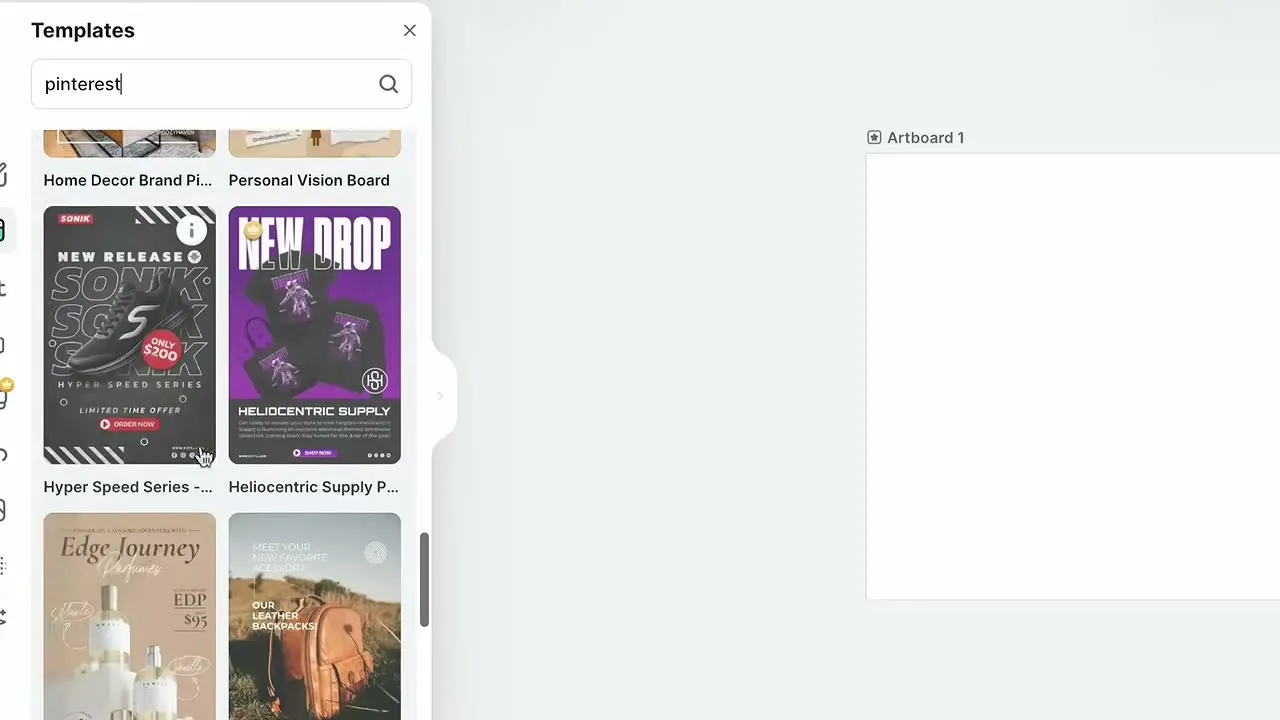
Pins that stand out use big, bold text, strong colors and an easy to read headline, often with a number in it. A tall pin of 1,000 by 1,500 pixels fits the feed. Free templates make this quick, and you can turn a still pin into a short video.
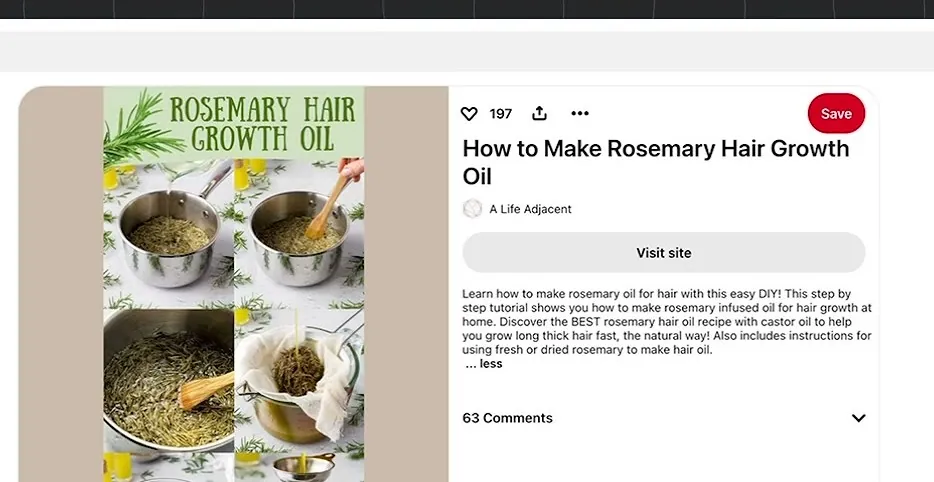
Rotate four kinds of pins.
- Free offer pins. They talk about the problem your free guide solves, and link to the sign up page or a blog post.
- Product pins. They go deep on the problem your paid product solves, and link to the sales page.
- Teaching pins. Broad tips your audience cares about, linking to your blog. They rarely sell right away, but they help Pinterest learn your niche and make the other pins work better.
- Affiliate pins. Products you really use, linking to a blog post that explains why you recommend them.
Do not link pins straight to an affiliate link. Pinterest does not like it, and it rarely sells. Send people to a page that gives them real value, with your links inside it.
Organize your pins into boards, like folders. Aim for 5 to 15 boards with at least 20 pins each, so each board looks like a real collection.
Pins and boards are only the start. The Influencer Program is a free creator community that teaches you and helps you grow, with free guides and content. We are not talent managers or an agency that signs you, and there is no contract. If you already blog, read how affiliate blogging works.
Join the free creator program
Free training to grow, a community of creators, and weekly feedback on your videos. No contract.
(Put your real links. No follower minimum, but you need to be an active content creator, otherwise you get rejected)
How often should you pin?
Post a few pins every day, every day. A simple rhythm is at least three of your own pins plus two repins of other people's pins in your niche, so five go out daily. Repinning takes seconds and is the main engagement Pinterest needs.
Do not post a hundred pins in a day. That can look like spam.
You do not need to work daily to post daily. Make your pins in one or two sessions a month and schedule them.
What does a 90 day Pinterest plan look like?
| When | What to do |
|---|---|
| Day 1 | Set up a free business account and claim your website |
| Day 2 | Add your bio, profile photo and cover image |
| Day 3 | Research keywords for each topic you will cover |
| Day 4 | Create boards with keywords in the names and descriptions |
| Day 5 | Make one of each of the four pin types and schedule them |
| Day 6 | Repin similar pins from your niche onto your boards |
| Day 7 | Open your analytics and learn where things are |
| Days 1 to 20 | Get comfortable. Three of your own pins and two repins a day |
| Days 21 to 40 | Add more keywords and longer phrases, new pin styles and new boards |
| The rest of the 90 days | Repeat what gets impressions, clicks and saves, and tweak what does not |
Why 90 days? Pinterest needs time to read your pins and file them in the right place. It also takes about three months to build a habit. People who quit after two weeks never see it work.
How do Pinterest creators make money?
Most earn from affiliate links, their own digital products, or both, through a page they own.
| Where to find products | What it covers | What it pays |
|---|---|---|
| Amazon Associates | Almost any product sold on Amazon | Usually 1% to 10% of the sale, like 2% on a TV |
| Impact | Thousands of brands with affiliate programs | Set by each brand, like 30% of each plan sale on one course platform |
| PartnerStack | Mostly software | Set by each brand |
| A brand's own program | Search the brand name plus affiliate program | Set by the brand |
Digital products and software often pay the most, some 50% or more of each sale, because there is no physical product to make.
Amazon is easier to join with a real website. Build a simple site on your own domain, and add a page listing your top recommended products with your links. Then write a short article for each product you pin, explaining why you recommend it. Only recommend things you truly use. Nothing breaks trust faster than a product people regret buying.
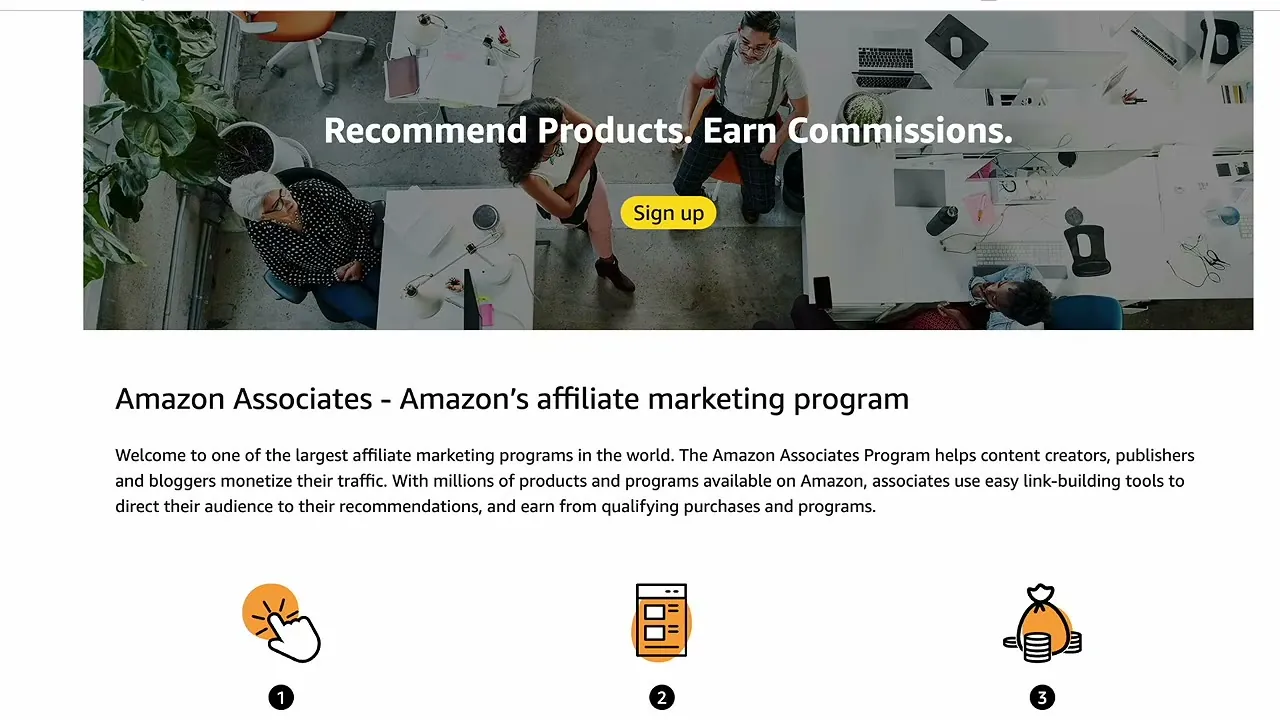
Expect it to take months to earn your first $1 or $100. It compounds: the more pins you post over time, the more traffic you get. For the full Amazon side, see the Amazon affiliate program for creators, and for growth, how to go viral on Pinterest.
What can you do this week?
- Pick one niche and check it in audience insights and Pinterest Trends.
- Set up a business account, claim your website and add keywords to your name.
- Write down ten search phrases from the search bar for each topic.
- Create five boards with those phrases in the names.
- Make one pin of each of the four kinds and schedule a week of pins.
- Write one article that recommends a product you use, with your affiliate link inside.
More guides
- Become a UGC creator and land your first paid video
- Become a YouTuber and earn your first money from your channel
- Build a personal brand people remember, and that pays you back
- Film yourself alone and make videos that look and sound professional
- Get Instagram followers who watch, so brands want to work with you
- Get more likes on TikTok by showing the right people a video worth liking
- Get more subscribers on YouTube, starting from zero
- Get steady traffic to your blog from Google, Pinterest and the places your readers already are