The Influencer Program / Guides
Start an affiliate blog that earns from the products you recommend
What to set up, which posts make money, how to get readers from Pinterest and search, the rules that keep your links paying, and a plan for your first year. Shown on real screens.
- 8 min read
- Updated Nov 22, 2026
- 100% free community
(Put your real links. No follower minimum, but you need to be an active content creator, otherwise you get rejected)
Affiliate blogging means writing helpful posts on your own website and adding affiliate links to the products you recommend. When a reader clicks one of your links and buys, the store pays you a commission, and the reader pays nothing extra.
It works, but it is slow. Plan on a year to build your readers. Do not expect $10,000 months in your first year. If they come, it is more likely in the second or third year.
What do you need to start an affiliate blog?
A website you own
If you are serious about building a blogging business, use a self hosted website, preferably on WordPress. Self hosted means you own the site and the words on it, so no platform can take it away from you. You need three things:
- Web hosting. The service that keeps your site online. Some hosts set up WordPress for you when you sign up.
- A domain. Your web address, the name people type to find you.
- SSL and domain privacy. SSL tells Google and your visitors your site is safe to visit. Domain privacy hides the name and address you used to buy the domain.
A simple design
Pick a ready made template and add your own colors, fonts and pictures. Many new bloggers get stuck trying to make the design perfect and never launch. Do not let that be you.
A few plugins
- A security plugin that blocks attacks and bad login attempts.
- A spam filter for bot comments.
- A backup plugin that saves your whole site every week.
- An image optimizer, because a slow site loses readers and Google likes fast sites.
An email list
Start one from day one. Your email list is yours. No algorithm change can take it away, and when you are ready to recommend a product or launch your own, you have people to tell.
How do you pick a niche for an affiliate blog?
Pick something you already know about and enjoy. You will be writing about it for a long time, and most people fail at affiliate marketing because they stop before it pays. The most profitable and trending niches on Pinterest are home decor, DIY, recipes and cooking, fashion and beauty, health and wellness, and personal finance.
- Go narrow. One simple test: if a topic applies to less than 5% of people, it is probably specific enough. German shepherd owners, van life or sourdough baking are good examples. Those readers care a lot and spend money on their hobby.
- Stay in one area. A site about carrots one day and cars the next does not build trust. Readers should know what your site is about.
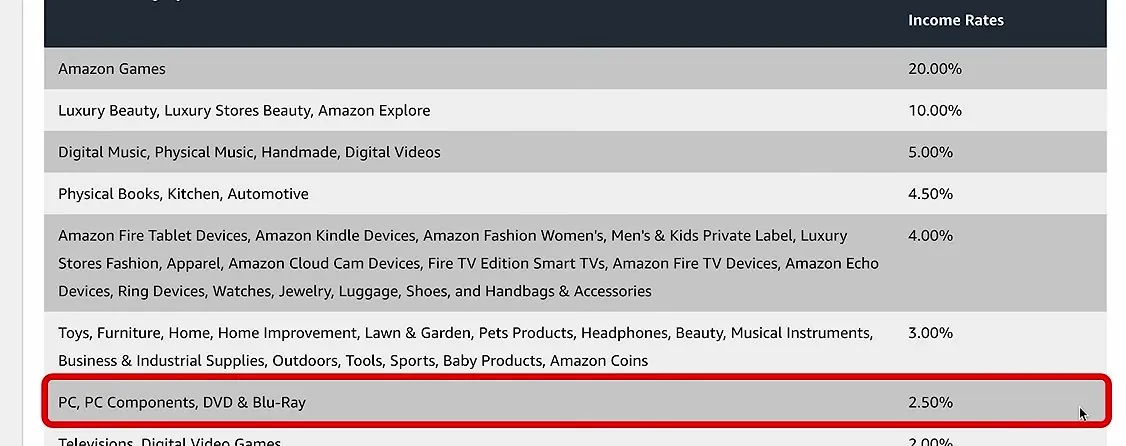
- Check the money. Look at the commission rate and what people actually spend. On Amazon, luxury beauty pays around 10%, while PC hardware pays about 2.5%. But 2.5% on a $1,200 laptop is $30 from one sale.
- Do not overthink it. Your niche will likely change as you learn what your readers want.
Niches that do well on Pinterest, a big source of blog readers, include home decor and DIY, recipes and cooking, fashion and beauty, health and wellness, and personal finance.
What kind of posts make money?
Reviews
Pick a product, go through the pros and cons, give your honest opinion, and put your affiliate link in the post.
Lists and roundups
Posts like the best tools for one job, or ideas for one goal, can carry many affiliate links in one place. Posts do not always have to be long. Some can be short and to the point, built around one product.
Finding products to write about
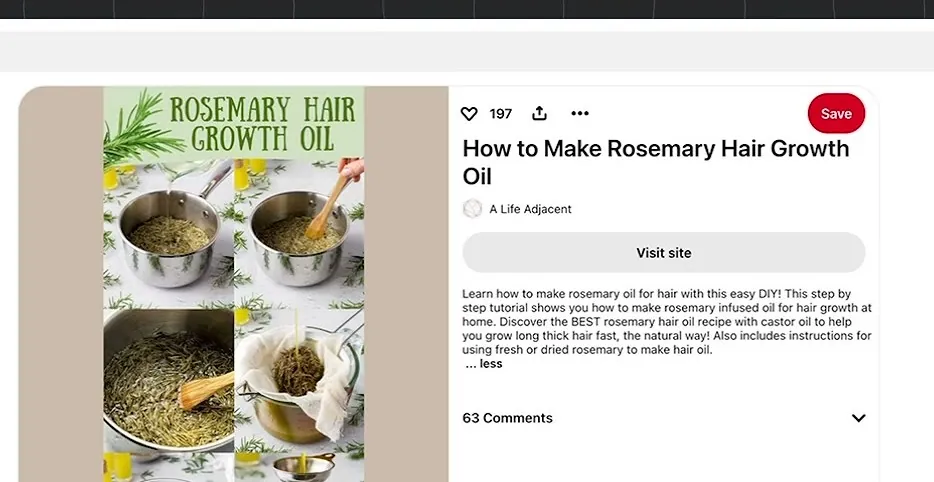
- Search your niche on Pinterest and click on popular pins. Note every product and affiliate link they point to. A list of 30 to 50 gives you plenty of ideas.
- Search each brand's name plus the words affiliate program to find where to apply.
- Use networks like Amazon Associates, Impact and ClickBank for more choice.
- Where you can, look for programs that pay over $30 per referral.
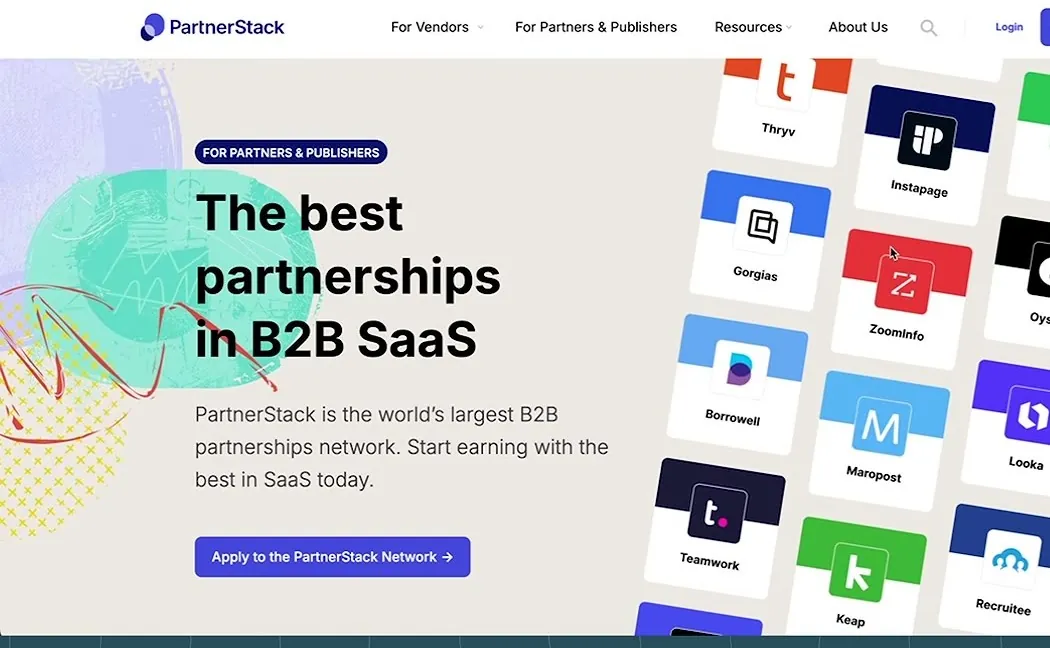
For more on where to find programs, read how affiliate networks work.
How do you write posts people actually read?
- Write for short attention spans. Short chunks, lots of white space, headings, bullet points and pictures. Add a table of contents to long posts.
- Write for your reader first. Think about what they would type into Google and how they would say it. Then answer it.
- Make it personal. Mix in your own story, your experience and your opinions. Google seems to favor posts like that these days.
- Use AI as a helper. It is useful for ideas, outlines, tips on improving a post, and ways to turn a post into social content. Whatever you use, put your own experience in every post.
- Add your videos. If you post on YouTube, Reels or TikTok, put the matching video inside the post.
- Write for short attention spans. Readers are busy.
How do you get readers to your blog?
Pinterest is not really a social app. It is a search engine where people look for ideas and products, and it is built for clicks out to websites. People are more likely to leave Pinterest for your blog than to leave Instagram. It has over 500 million monthly users, and few people make content there with affiliate links in mind.
Make a pin for each blog post that leads to the post. It takes time for pins to start showing up in searches, so keep going.
Google search
Search brings readers to posts that answer what they are looking for. Helpful, personal posts written for real readers are what to aim for.
Your email list
Send your readers helpful emails with your best posts. They chose to hear from you, so they are more likely to trust what you recommend.
What rules do you have to follow?
Break a program's rules and you can lose your account and every link with it.
- Tell readers about your links. Amazon requires a clear note wherever you share its links, a simple line saying you are an Amazon Associate and earn from qualifying purchases. See how affiliate links work for more on telling readers.
- Do not hide Amazon links. Amazon does not allow running its links through a shortener or redirect tool to hide where they go. Use the short link from Amazon's own SiteStripe bar. Link tools that make links look neat are fine for some other programs, so check each program's rules.
- No Amazon links in emails, PDFs or ebooks. Amazon needs links to be public so it can track them.
- Get 3 real sales in 180 days. Your Amazon account closes if it does not have 3 sales in its first 180 days, and sales from friends and family do not count. Wait to sign up until your posts are ready.
- The last click wins. If a reader clicks your link and then someone else's before buying, the other person gets the sale.
Many programs give you 30 days of credit after a click. Amazon gives you 24 hours. For the full Amazon setup, read Amazon's affiliate program for creators.
| What to know | The number |
|---|---|
| A narrow enough niche | Applies to less than 5% of people |
| Amazon luxury beauty | About 10% a sale |
| Amazon PC hardware | About 2.5%, or $30 on a $1,200 laptop |
| Amazon's first sales | 3 real sales in 180 days |
| Credit after a click | 24 hours on Amazon, 30 days on many programs |
| Referral pay worth looking for | Over $30 |
Affiliate links are one way to earn from what you share. The Influencer Program is a free creator community that teaches you and helps you grow, with free guides and content. We are not talent managers or an agency that signs you, and there is no contract. Start with the affiliate programs that pay creators.
Join the free creator program
Free training to grow, a community of creators, and weekly feedback on your videos. No contract.
(Put your real links. No follower minimum, but you need to be an active content creator, otherwise you get rejected)
What is a realistic plan for your first year?
Your first year
Build
months 1 to 6, post every week
Earn
months 6 to 12, add ads and links
Grow
after year one, add your own products
Months 1 to 6: build
Publish at least one post a week, more if you can. Make pins for every post. Get readers onto your email list. The goal is readers, not money yet.
Months 6 to 12: start earning
Keep posting. Once your traffic is high enough, apply to display ad networks like Mediavine or AdThrive. Until then, Google ads are better than nothing. Start adding affiliate links from Amazon Associates and other programs that fit your readers. Keep blogging consistently and keep growing your audience.
After year one: add more
With an audience and an email list, you can add your own products, like a guide or a course, alongside your affiliate links and ads. A blog is the vehicle. The business is what makes money, and the businesses that last earn in more than one way.
What can you do this week?
- Write down three niches you know well and pick the narrowest one.
- Set up hosting, a domain and WordPress, and add a simple template.
- Search your niche on Pinterest and list 30 products other blogs link to.
- Outline your first review post in your own words.
- Set up a free email list and a sign up form on your site.
More guides
- Earn from the products you already recommend with affiliate links
- Join the right affiliate networks and earn from the products you already talk about
- Get paid by the affiliate programs that fit what your followers already buy
- Apply for the Amazon affiliate program and get your first 3 sales counted
- Earn a bonus commission from brands through Amazon Creator Connections
- Get into the Amazon influencer program and earn from the products you already show
- Become a brand ambassador for a brand you already use
- Read your next influencer contract with a clear checklist