The Influencer Program / Guides
Go from zero to your first paid UGC deal in 30 days
What the real 30 day UGC challenges set as the goal, and a week by week plan with a scorecard.
- 5 min read
- Updated Nov 26, 2026
- 100% free community
(Put your real links. No follower minimum, but you need to be an active content creator, otherwise you get rejected)
A 30 day UGC challenge takes you from no portfolio to pitching brands every day, with a first paid deal as the goal. Week one you film samples, week two you pitch, week three you take your first gigs, week four you set rates and ask to be paid.
This guide shows what the real 30 day challenges ask for, then gives you the plan and the numbers to track.
What do the real 30 day UGC challenges ask you to finish?
Most of them aim at the same finish line: paid brand work. They differ in how they get you there.
| Challenge | Length | Price | The goal it sets |
|---|---|---|---|
| UGC Glow Up | 30 days | free | 7 clear tasks toward more paid deals and better videos |
| 30 Day Brand Collab and UGC Challenge | 30 days | $97, then $117/month | Find brands, pitch, set rates and secure collabs |
| UGC from A to Z | 8 weeks | one time fee | A first paid UGC deal, working under 10 hours a week |
UGC Glow Up is the biggest UGC challenge we found: 8,921 members and 11,421 posts. Its idea is worth copying: 7 tasks spread across 30 days, not a new task every day.
What is your KPI for the month?
Track the work, because the work is what you control. By day 30, your scorecard should show:
- 5 to 15 sample videos in your portfolio
- A pitch sent every weekday from week two on
- Profiles live on the UGC platforms
- Your first gigs done, even unpaid ones for product
- Your rates written down and a contract you have read
- A tracker with every brand, reply and payment
One paid deal is the goal. The scorecard is how you get there.
Week 1: Build a portfolio from what you own
Pick your niche
Choose a lane you know: skincare, fitness, cooking, golf. Brands want creators who use their kind of product. It shows in the video, and you get better replies and better pay.
Film your samples
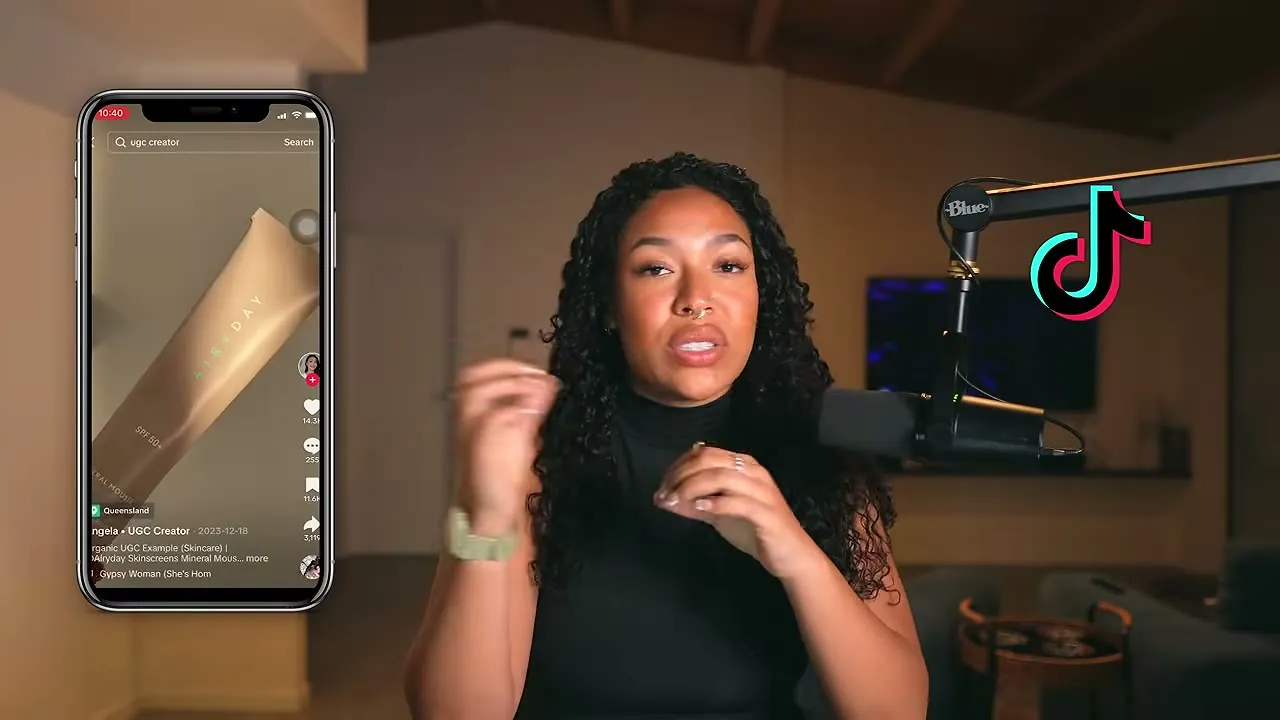
Pull 5 to 10 products from around your home that you love. Film them in different styles. There are nine common ones: aesthetic showcase, product demo, unboxing, problem and solution, testimonial, vlog, voiceover, before and after, and educational. Start with three.
Your phone is enough. It does not need perfect lighting or a big setup. People trust videos that feel real.
Small things brands notice
- Film the aesthetic shots by a window in soft daylight.
- Keep the background clean and simple, like a plain wall or a clear counter.
- When your hands hold the product up close, keep your nails clean.
- Keep it short. An unboxing of around 13 seconds can do the job. Go longer only when a brand asks.
- Open with something that makes people stop, before you show the product.
Put it in one link
Collect the videos on a Notion page, a Canva page or a shared Google folder. Add who you are and your niche. Our UGC portfolio guide shows what to include.
Week 2: Sign up and start pitching
Join the platforms
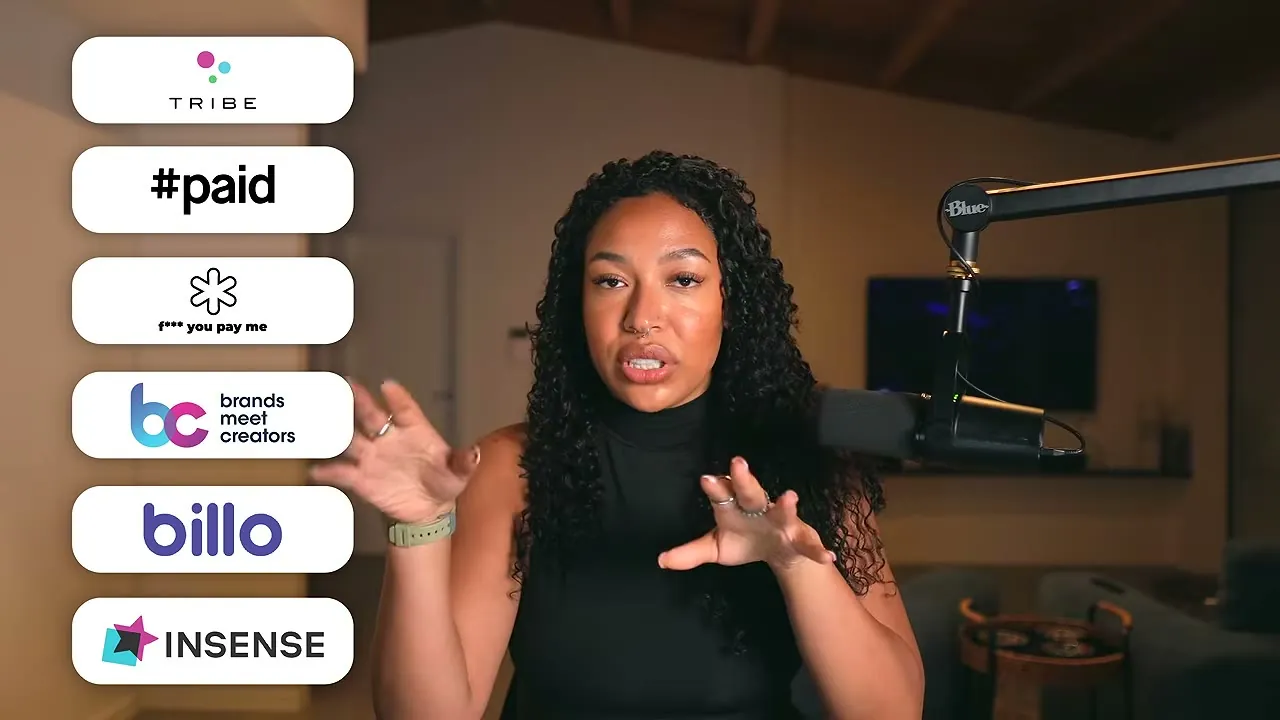
Create profiles on Billo, JoinBrands, Insense, Tribe and #paid. Add Fiverr and Upwork, where you can apply to buyer requests yourself.
Pitch brands directly
Platforms are slow when nobody knows you. Reach out yourself. Email or DM brands you already use. Keep it short: you make UGC, you love the product, here is your portfolio. Send one every weekday.
Do not overthink the message. Brands get notes like this all the time, and some say yes because they like your personality or the way you showed their product.
Post your own content too
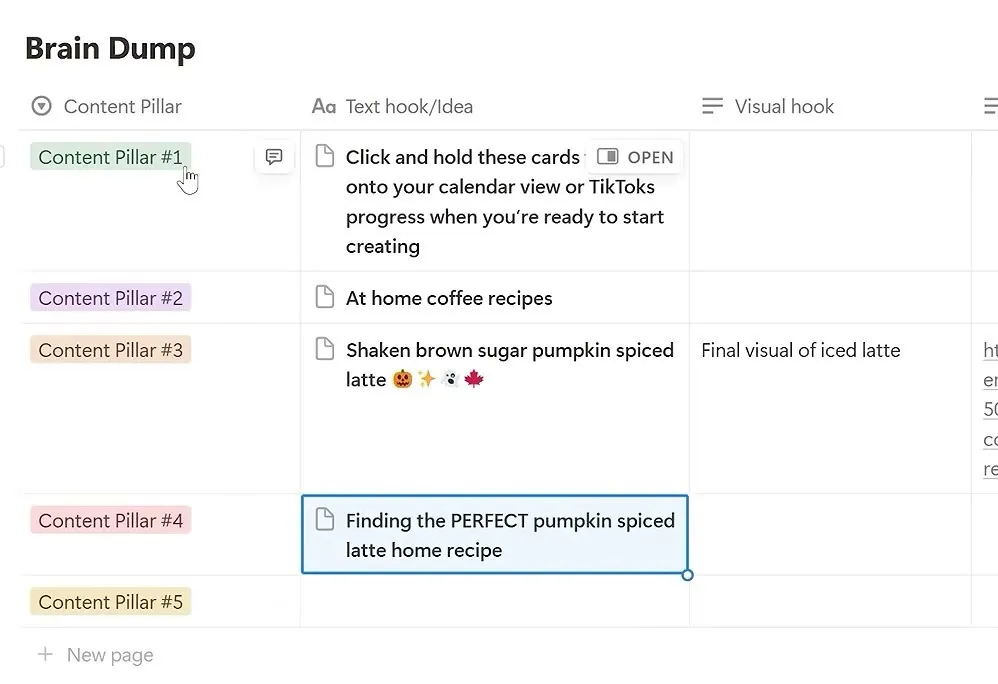
Brands check your socials before they hire. Post on TikTok or Instagram while you pitch. If you can, post three to five times a day for this month. Start a series in week two so people know what to expect from you.
Plan it in one list: the topic, the text on screen, and the first thing a viewer sees.
Join the free creator program
Free training to grow, a community of creators, and weekly feedback on your videos. No contract.
(Put your real links. No follower minimum, but you need to be an active content creator, otherwise you get rejected)
Week 3: Take your first gigs
Say yes to product deals
Your first offers will often pay in free product, not money. Take them. Each one is a brand name for your portfolio, a review, and practice. Aim for 5 to 10 brands before you ask for payment.
Check what is working
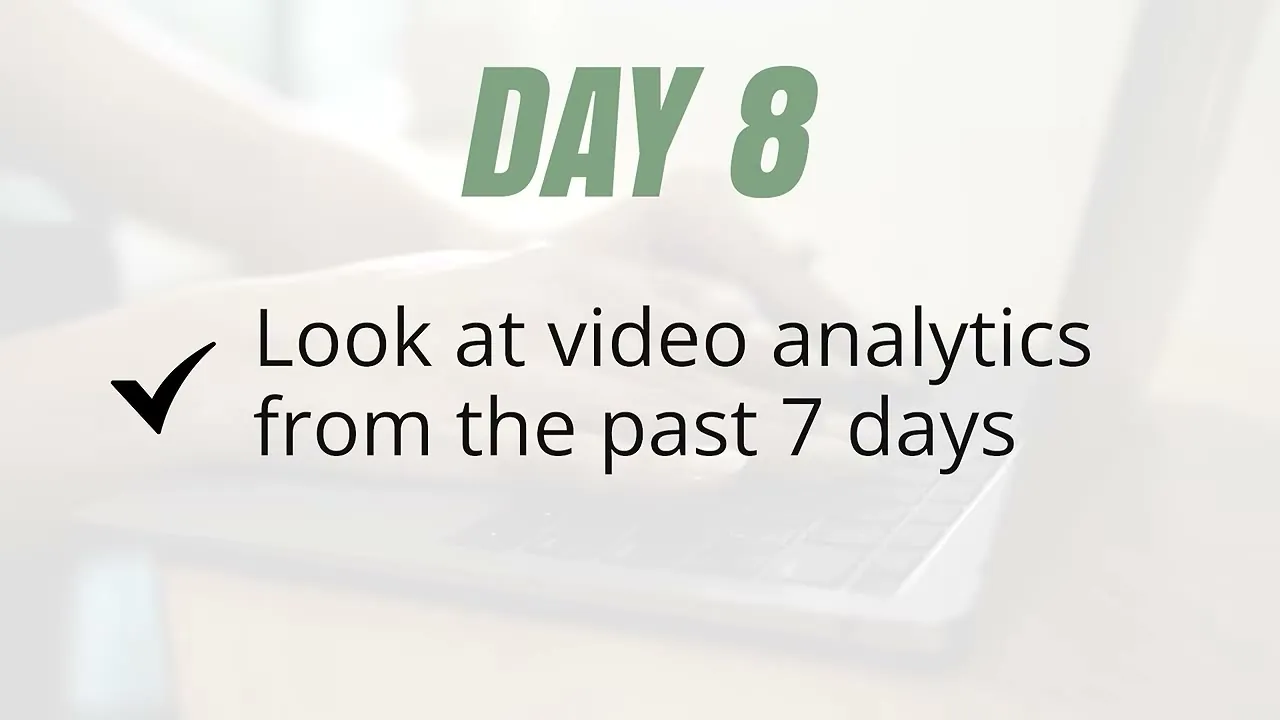
At the start of week three, look at your analytics from the past 14 days. Which hooks held people? Which videos got comments? Do more of those, and change the hook or cover text on the rest.
Spend 10 to 15 minutes a day on comments
Reply to every comment on your posts. Comment on other creators in your niche.
Week 4: Set your rates and ask to be paid
Know your price
A common starting range is $50 to $150 a video. With a few clients, $150 to $300. Experienced creators with a following ask $300 to $800 or more. A simple package to offer: one video, three hook versions, and five photos with the product. See UGC creator rates for more.
Protect yourself
- Read every contract. Ask a chatbot to sum it up if it is long, then read the parts that matter.
- Check the usage rights. If the brand runs your video as a paid ad, charge extra.
- Add a late fee. One example: 10% more for every week a payment is late.
- Watermark videos until you are paid.
- Invoice through Stripe or PayPal.
Our guide to brand deal contracts goes deeper.
Keep a tracker
Make a sheet with these columns: brand, did they reply, do they want to work with you, pay, what you owe them, and when you get paid. Fill it every day you pitch.
What happens after day 30?
Keep going. The first deal is the hardest. Once you have one or two brands, others see your work and offer more, often at a higher rate.
Give it 6 months to a year before you judge it. That is how long it takes most creators to see it pay off. The 30 days gets you started and gives you a habit.
Your plan for this week
- Pick your niche today.
- Pull 5 products from home and film 3 styles.
- Make your portfolio page and add your best videos.
- Sign up on two UGC platforms.
- Write a short pitch and send it to one brand you use.
- Start your tracker and your scorecard.
More guides
- Finish a 7 day UGC challenge with a portfolio brands can say yes to
- Start an affiliate blog that earns from the products you recommend
- Earn from the products you already recommend with affiliate links
- Join the right affiliate networks and earn from the products you already talk about
- Get paid by the affiliate programs that fit what your followers already buy
- Apply for the Amazon affiliate program and get your first 3 sales counted
- Earn a bonus commission from brands through Amazon Creator Connections
- Get into the Amazon influencer program and earn from the products you already show