The Influencer Program / Guides
Finish a 7 day UGC challenge with a portfolio brands can say yes to
The real challenges, the finish line each one sets, and a plan for each of the seven days.
- 6 min read
- Updated Nov 26, 2026
- 100% free community
(Put your real links. No follower minimum, but you need to be an active content creator, otherwise you get rejected)
A 7 day UGC challenge gives you one task a day for a week, and it ends with something you can show a brand. The good ones set a clear finish line: a portfolio with 1 to 3 sample videos, or a first paid deal.
This guide shows what the real challenges ask for, then gives you a plan for each day so you can run it yourself, for free, starting today.
What is a 7 day UGC challenge?
UGC means user generated content. Brands send you a product, and often pay you, to film short videos they can post or run as ads. You do not need followers. You need sample videos and the nerve to send them.
A challenge puts that work into a week. Each day has one job. You finish with proof you did it.
The challenges below are real and running now. Each one counts a different thing at the end.
| Challenge | Where | Price | The finish line it sets |
|---|---|---|---|
| UGC Creator Elite by viral.app | Skool | free | Finish the course, set up a viral.app portfolio, share 1 to 3 example videos |
| UGC Brand Deal Sprint | Skool | $5/month | A first paid UGC deal of $200 to $500 |
| Land Your First Tech UGC Deal in 7 Days | Whop | $57 | A first tech UGC deal |
| Start Creating | Skool | free | Your first talking to camera video posted |
Which one grows fastest?
The viral.app challenge went from 569 members on November 21 to 794 on November 26. The reason is the prize. If you finish, you qualify for viral.app's paid in house creator program. The reward is paid work, not a badge.
That tells you what a good finish line looks like. It is something a brand can see.
What should your KPI be for the week?
Pick a finish line you control. You cannot control whether a brand says yes in seven days. You can control what you make and how many brands you ask.
Here is the scorecard for this plan:
- 5 sample videos in your portfolio, from products you already own
- 3 different styles among them, so a brand sees range
- 3 hook versions for your best video
- A profile on the UGC platforms listed below
- A pitch sent every day from day 5 on
- A tracker with every brand you pitched and what they said
If you land a deal in the week, great. If you do not, you still finish with everything you need to land one.
Day 1: Pick your niche and your products
Pick a lane you know and like. Brands want creators who know their product, because it shows in the video. If you play golf, film golf gear. If you love skincare, film skincare. Your answers sound real, and you will enjoy the work more.
Then walk around your home and pull out 5 to 10 products you use and love. These become your first samples. Nobody has to send you anything yet.
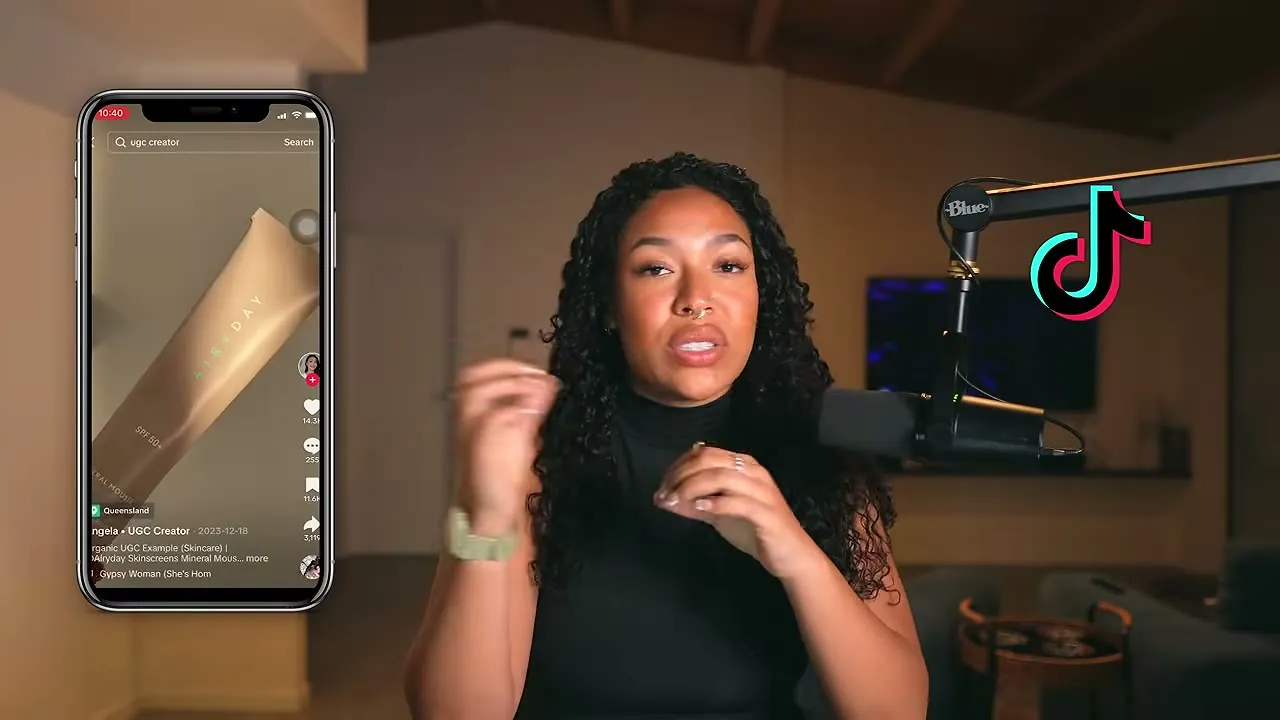
Day 2: Study the ads brands already pay for
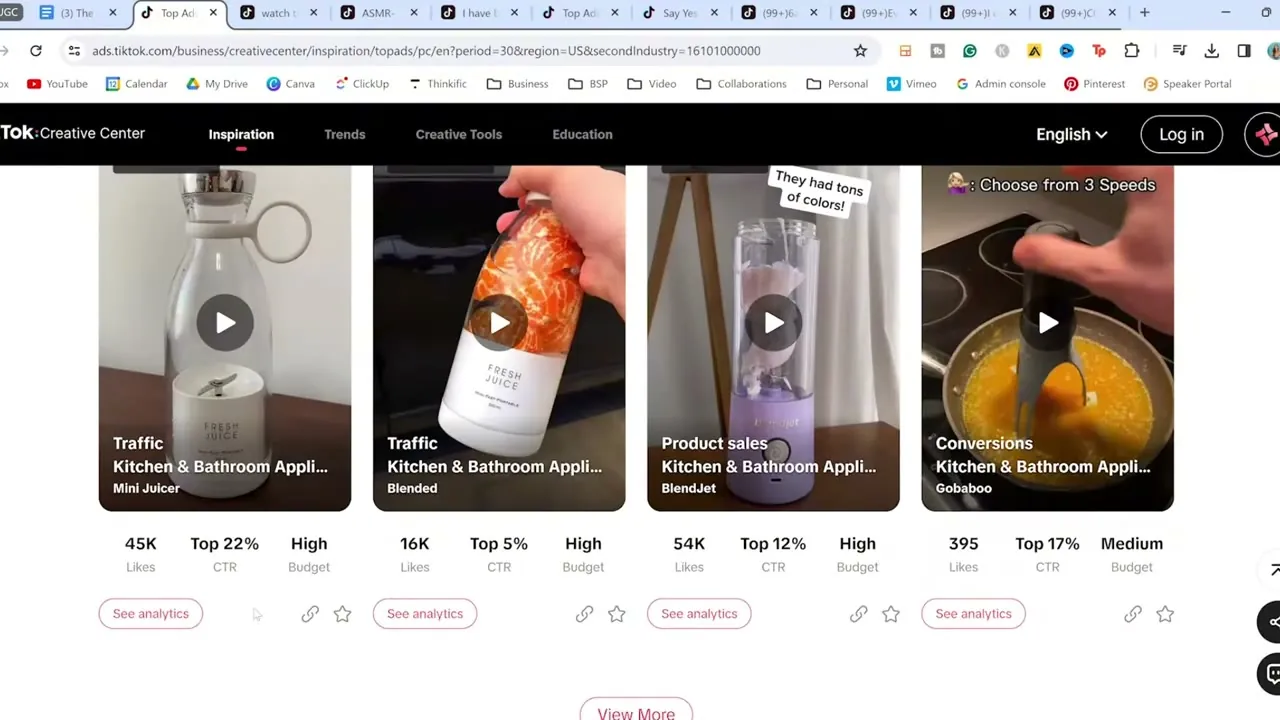
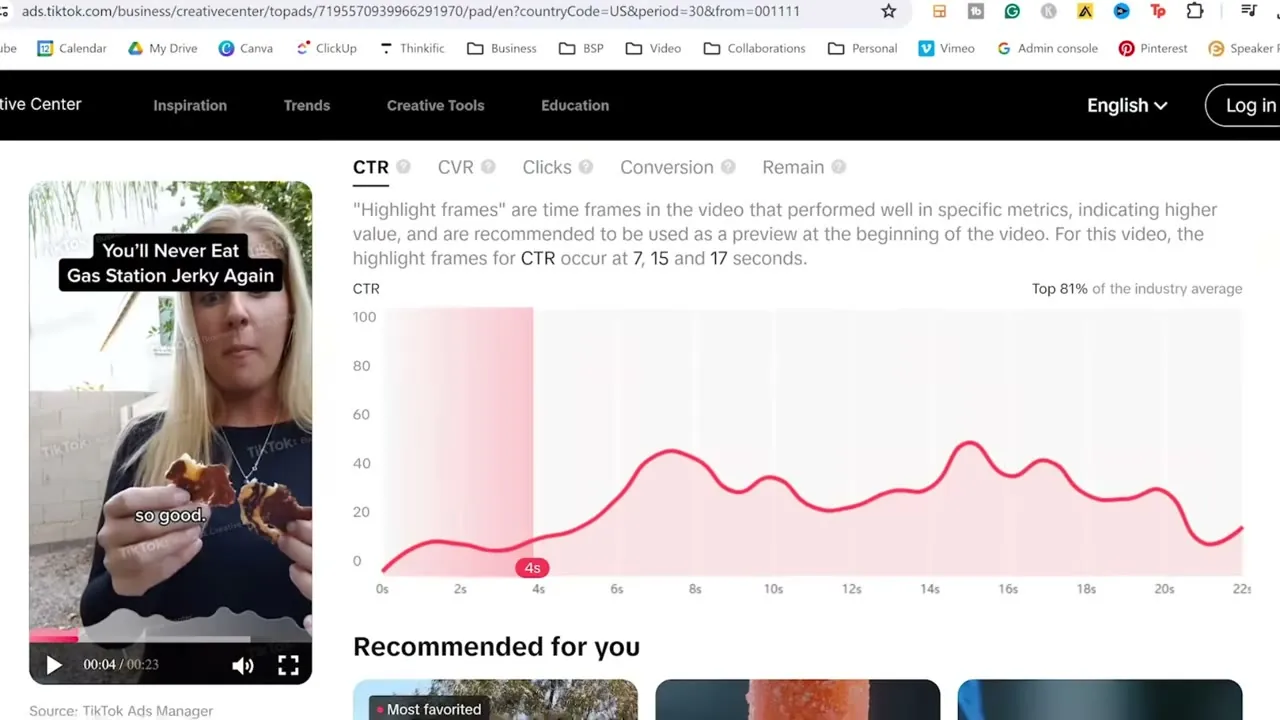
Before you film, look at what works. TikTok's Creative Center shows top ads by industry, with how well each one was clicked. Pick your niche, sort by the best performers, and watch ten of them.
Notice the small things. Clean backgrounds. A simple counter. Clean nails when the product is held close. A quick hook in the first seconds.
Day 3: Film your first 3 videos in 3 styles
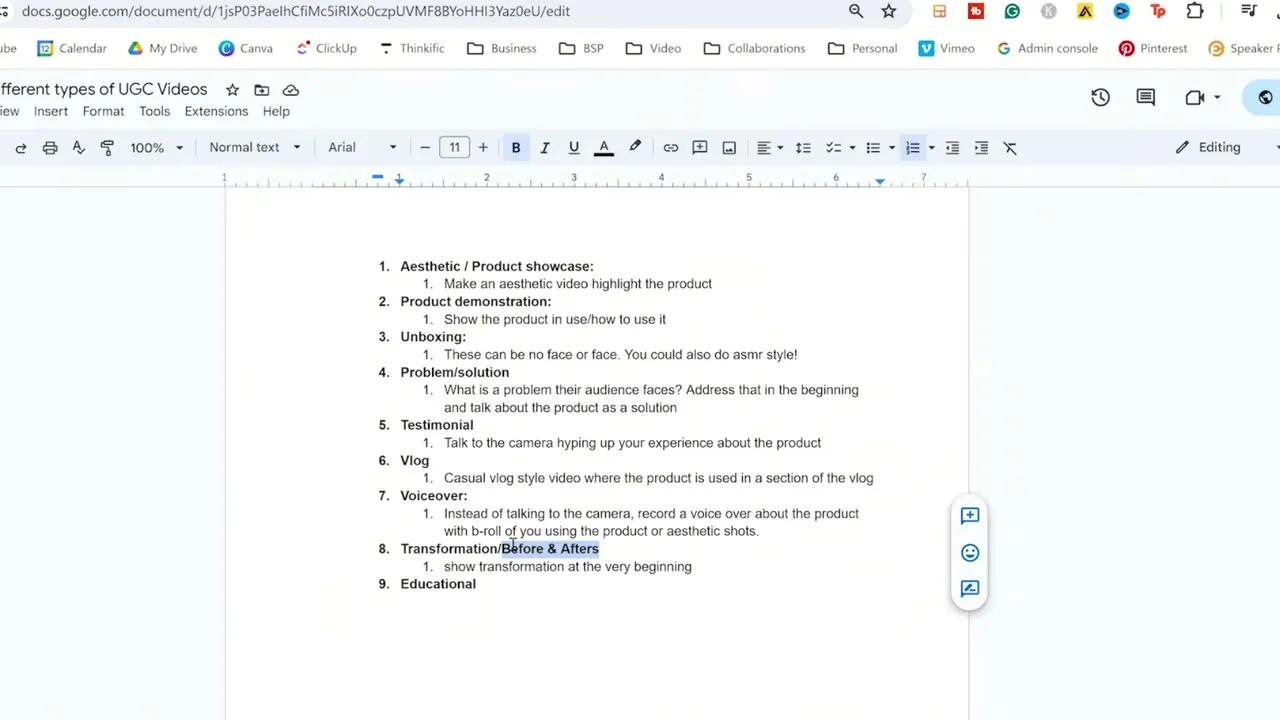
There are nine common styles of UGC video. You only need three to start:
- Aesthetic showcase: the product looks beautiful, often without your face. Film by a window in soft daylight.
- Product demo: show it in use and what it does.
- Unboxing: open it on camera. Keep it short, around 13 seconds is plenty unless a brand asks for longer.
The other six are problem and solution, testimonial, vlog, voiceover, before and after, and educational. Save those for day 4.
It does not need to be perfect. People are tired of big polished ads. Your phone is enough. If you want, tidy the clips in CapCut.
Day 4: Film 2 more, then make 3 hooks
Add two harder styles. A problem and solution video names a problem your buyer has, then shows the product fixing it. An educational video teaches something useful around the product, like a recipe with a protein powder.
Then take your best video and film three different first lines for it. A common starter package is one video, three hook versions and five photos with the product.
Join the free creator program
Free training to grow, a community of creators, and weekly feedback on your videos. No contract.
(Put your real links. No follower minimum, but you need to be an active content creator, otherwise you get rejected)
Day 5: Build the portfolio and sign up
Put your 5 videos in one place a brand can open in one click: a shared Google folder, a Notion page or a Canva page. Add a line about you, your niche and the styles you film. See our UGC portfolio guide for what to put on it.
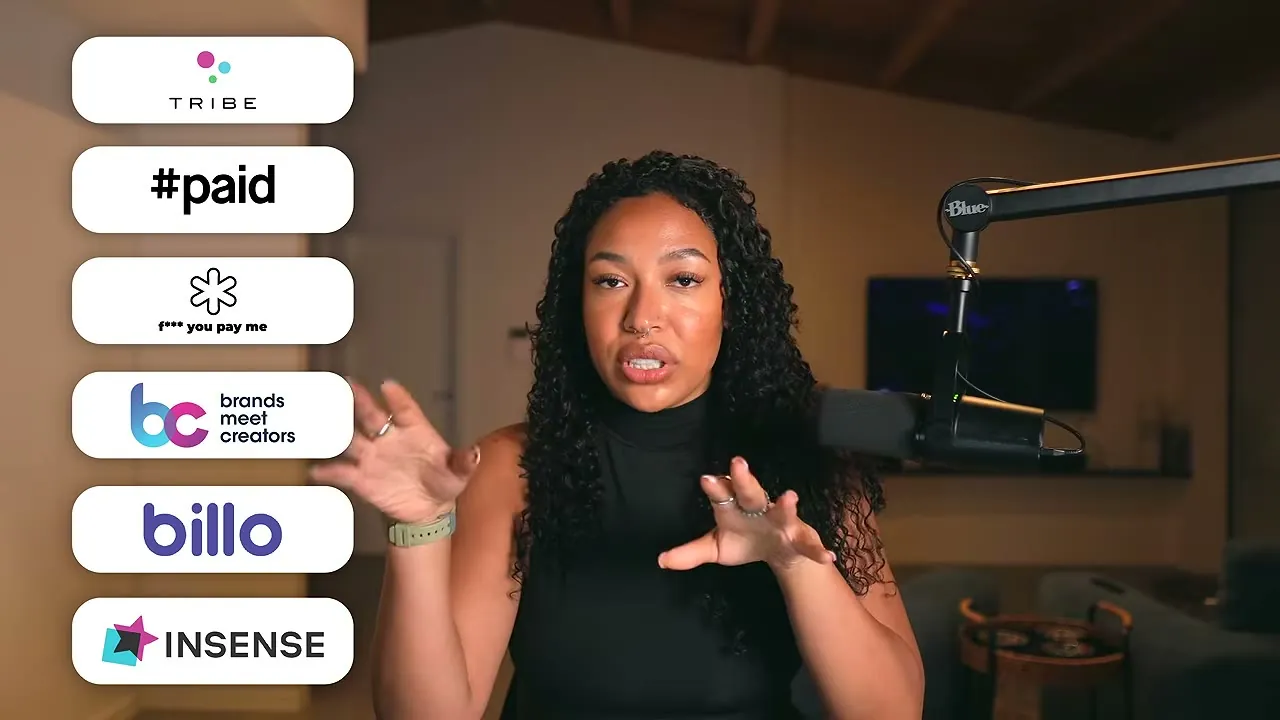
Then create profiles on the UGC marketplaces. Billo, JoinBrands, Insense, Tribe and #paid all connect creators with brands. Fiverr and Upwork have UGC buyers too, and you can apply to their requests yourself.
Day 6: Pitch brands directly
Do not wait for a platform to find you. As a beginner, nobody knows your name yet, so you go first. Pick brands you already use. Send a short note by email or Instagram DM: you are a UGC creator, you love their product, you would like to make content for them, and here is your portfolio link.
Keep it short. Brands get these messages all the time, and some say yes because they like how you showed the product. Our guide to pitching brands has more on what to write.
Expect your first few yeses to pay in product, not cash. Say yes to those. Every brand you film for goes on your portfolio, and it gets easier from there.
Day 7: Set your rates and start your tracker
Know your price before a brand asks. A common starting range is $50 to $150 a video. With a few clients behind you, $150 to $300. Experienced creators with a following can ask $300 to $800 or more. See UGC creator rates for the full picture.
Then build a simple sheet with these columns:
- Brand you pitched
- Did they reply
- Do they want to work with you
- Pay
- What you owe them and how many pieces
- When you get paid
Check your scorecard from the top of this page. Mark each line done.
Before your first paid deal, protect yourself
- Read every contract. Look for usage rights, which say whether the brand can run your video as a paid ad.
- Charge extra when they want to run it as an ad, since they make money from it.
- Watermark samples you send before payment, and remove it when you are paid.
- Send invoices through Stripe or PayPal so you look professional.
Is one week enough to land a deal?
Sometimes. More often, the week gives you the tools and the first pitches, and the deals come over the next months. Creators who stick with UGC for 6 months to a year are the ones who see it pay off. Once you land one or two brands, others notice and offer more.
So treat the 7 days as a start, then keep the daily pitch going. When you want the next step, the UGC jobs guide shows where brands post work.
Your plan for this week
- Today: pick your niche and pull 5 products from home.
- Tomorrow: watch ten top ads in your niche on TikTok's Creative Center.
- Day 3 and 4: film 5 videos in at least 3 styles, plus 3 hooks.
- Day 5: build your portfolio and sign up on two UGC platforms.
- Day 6: pitch five brands you already use.
- Day 7: set your rates, start your tracker, and check your scorecard.
More guides
- Start an affiliate blog that earns from the products you recommend
- Earn from the products you already recommend with affiliate links
- Join the right affiliate networks and earn from the products you already talk about
- Get paid by the affiliate programs that fit what your followers already buy
- Apply for the Amazon affiliate program and get your first 3 sales counted
- Earn a bonus commission from brands through Amazon Creator Connections
- Get into the Amazon influencer program and earn from the products you already show
- Become a brand ambassador for a brand you already use