The Influencer Program / Guides
Build a UGC portfolio that gets brands to say yes, even before your first client
What brands look for, the video styles to film with products you already own, where to put it all, and how to turn it into your first paid UGC jobs. Shown with real UGC ads and their numbers.
- 7 min read
- Updated Nov 22, 2026
- 100% free community
(Put your real links. No follower minimum, but you need to be an active content creator, otherwise you get rejected)
A UGC portfolio is one link that shows brands the videos you can make for them. You do not need past clients to build one. Film 5 to 15 sample videos with products you already own, in a few different styles, and put them on one simple page you can send to any brand.
UGC means user generated content: short, real looking videos that brands use in their ads and on their pages. You film them on your phone. You do not need followers.
What do brands look for in a UGC portfolio?
Your portfolio has one job: show brands what you are capable of and how you come across on camera. When a brand watches your samples, it is asking a few simple questions.
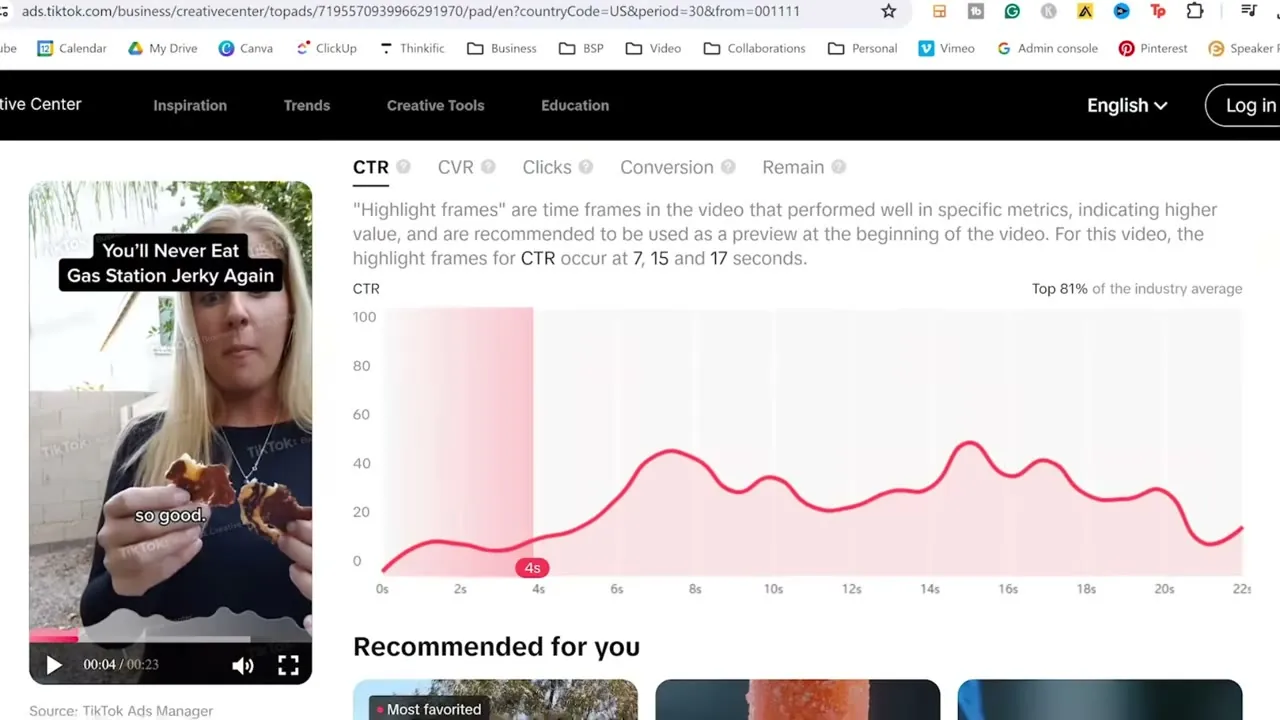
- Do you grab attention fast? The first seconds of each video matter most.
- Are you natural on camera? Brands want enthusiasm that feels real, not a script read out.
- Can you make their product look good? Clean shots, good light, the product easy to see.
- Does it feel authentic? UGC does not need to be perfect. People are tired of big, polished ads. You do not need a big production or perfect lighting.
Brands also check your social media, especially when you reach out to them. You do not need a big following, but be active and look comfortable on camera.
How do you make a UGC portfolio with no experience?
Use what is already in your house
Walk around your home and pick 5 to 10 products you love or use every day. Skincare, kitchen tools, snacks, a water bottle, anything. Then film sample videos for them as if the brand had hired you. The client does not exist yet, but you make the video the way you would if they were paying you.
Aim for 5 to 15 videos in the beginning. That is enough to show range without taking weeks.
Pick a niche if you can
Brands want creators who know their kind of product. If you play golf, be a golf UGC creator. If you love skincare, do skincare. If you are into wellness, go that way. Your videos come across more real when you know what you are talking about, and you tend to get better replies and better pay.
What videos should go in a UGC portfolio?
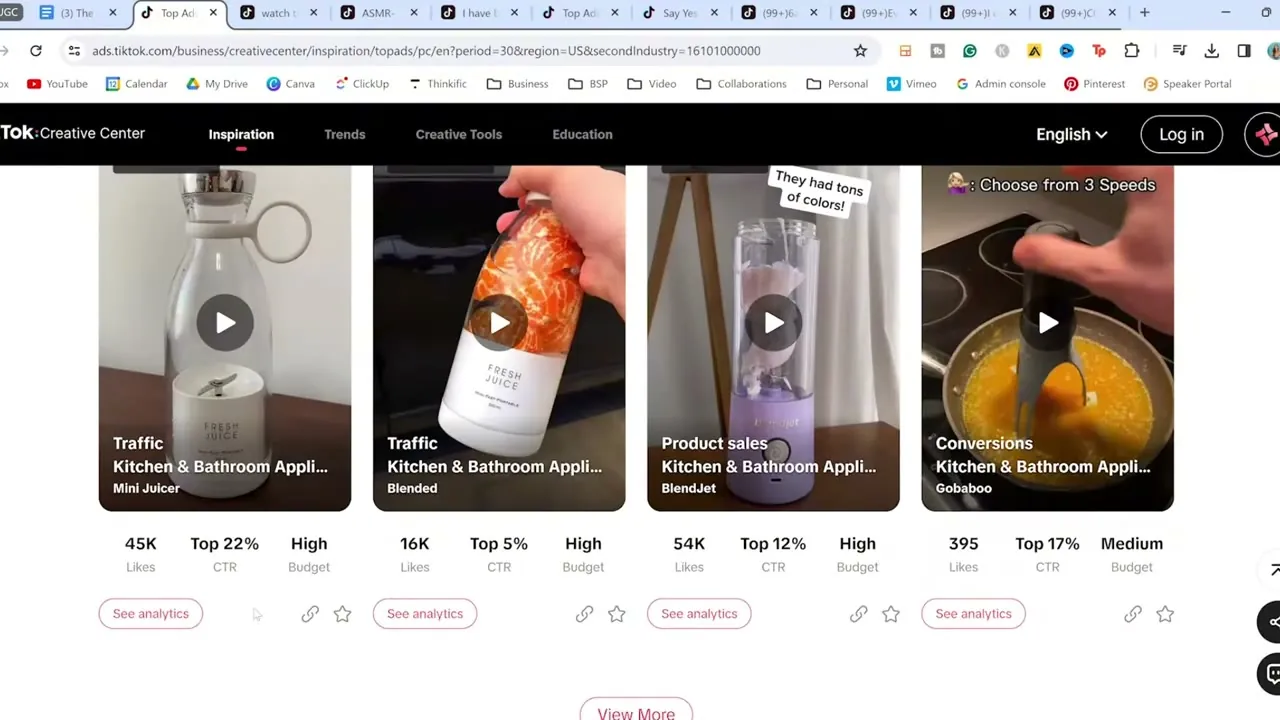
Show variety. These are the styles brands ask for most:
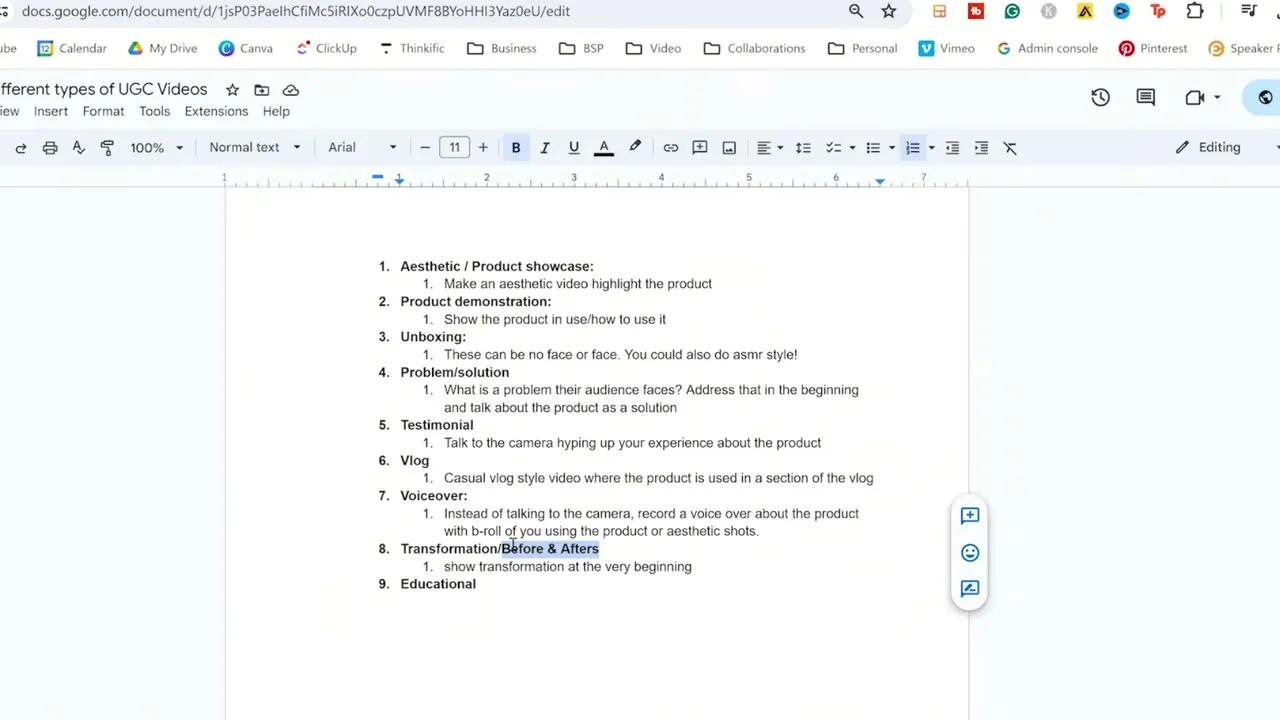
- Aesthetic product showcase. A pretty video of the product itself, often without your face. Film by a window in natural light, at golden hour if you can.
- Product demonstration. Show the product in use, how to use it and what it does. Keep the background clean and simple. In close shots of your hands, have clean nails.
- Unboxing. Open the product on camera. One version is a silent unboxing where the only sound is the box and the wrapping. Start with the final look as your hook, then show the unboxing. Keep it short.
- Problem and solution. Name a problem the brand's buyers have, then show the product solving it. For example, sunscreen that leaves a white cast is the problem, and a sunscreen that does not is the solution.
- Testimonial. Your real reaction when you try the product for the first time, or why you love it after using it for a while. Cut between your face, close shots of the package and the brand's website.
- Vlog. A normal part of your day, like a morning routine, with the product as one part of it.
- Voiceover. Film the product in use or nice shots of it, then talk over the clips. Talk straight through, with no long pauses.
- Before and after. Open with the change as the hook, then show what you used. Keep it honest. A faked result gets the brand bad comments.
- Educational. Teach something linked to the product, like a recipe using a protein powder or tips about a vitamin.
Keep most videos under 60 seconds, since that is what most brands want for UGC. Make them fast paced, and put the hook first.
Where should you put your UGC portfolio?
Put everything in one place a brand can open with one click. A shared folder of files works, but a simple page is easier for a busy brand to open and look through. Free portfolio sites like Contra work well, and so does a page built in Canva or Notion. You only start paying when you want your own domain name.
On the page, include:
- Your videos, grouped by style.
- A few lines about you: who you are, your niche, and the products you love to film.
- What you offer. A simple starter package is one video, three versions of the hook, and five photos of you with the product.
- How to reach you.
- The brands you have worked with, once you have some.
How do you use your portfolio to get paid?
Find your first jobs
- UGC platforms. Sites like Billo, Trend.io and JoinBrands connect UGC creators with brands. Many creators with no following at all get jobs there. For more places to look, see where to find UGC jobs.
- Freelance sites. Fiverr and Upwork have a lot of demand for UGC, and you can apply to requests.
- Pitch brands directly. DM or email a brand you love. Keep it short: you are a UGC creator, you love and use their product, and you would like to make content for them. Add your portfolio link.
As a beginner with no reviews, reaching out yourself usually works faster than waiting on platforms. You may be offered free product instead of pay at first. Saying yes to some of those builds your experience, your reviews and your list of brands. Once you have worked with 5 to 10 companies, start asking for payment.
Set your rates
A general guide for each video:
- Starting out: $50 to $150.
- After a few clients: $150 to $300.
- Very experienced, or with a following: $300 to $800 or more.
| Where you are | Rate per video |
|---|---|
| Starting out | $50 to $150 |
| After a few clients | $150 to $300 |
| Very experienced, or with a following | $300 to $800 or more |
Remember you are not only filming. You are writing the script, shooting, editing and performing. Bundles, like five videos at a small discount, can help close a deal. See UGC creator rates for more.
Getting paid for content is the start. The Influencer Program is a free creator community that teaches you and helps you grow, with free guides and content. We are not talent managers or an agency that signs you, and there is no contract. Start with how to become a UGC creator.
Join the free creator program
Free training to grow, a community of creators, and weekly feedback on your videos. No contract.
(Put your real links. No follower minimum, but you need to be an active content creator, otherwise you get rejected)
Protect yourself
- Use a contract. Read it carefully for any hidden requests. Once you have some experience, use your own and add a late fee, like 10% extra for every week a payment is late.
- Watermark your drafts. Send videos with a watermark, and remove it once you are paid. The brand can still approve or reject the content, but cannot use it without paying.
- Charge for usage rights. If the brand will run your video as an ad or in a paid campaign, charge an extra fee for that. Read usage rights for creators.
- Send proper invoices. A Stripe or PayPal account lets you send invoices that look professional.
Stay organized
Keep a simple sheet in Notion or Google Sheets: the brands you pitched, who replied, who wants to work with you, the pay, what you owe them, and when you expect to be paid. After your first one, two or three brands, it starts to snowball. New brands see who you have worked with and offer more.
Give it at least six months to a year before you judge it. When the money starts coming in, put some back into gear, like a clip on mic, a backdrop or a better phone.
What can you do this week?
- Pick 5 products you already own and love.
- Film one video in each of five styles: product demo, unboxing, problem and solution, testimonial and voiceover.
- Build a free portfolio page and add the videos, a few lines about you, and how to reach you.
- Sign up for two UGC platforms.
- Send a short pitch with your portfolio link to three brands you already use.
- Start a sheet to track every pitch and reply.
More guides
- Get paid more when a brand runs your video as an ad
- Pick the right video editing software and edit your first video this week
- Build a vlogging camera kit that fits your budget and gets you filming this week
- Get into the Walmart affiliate program and earn from the products your followers already buy there
- What the biggest TikTok Shop sellers do, and how to copy it
- Earn a cut of every sale your YouTube videos send to a store
- Understand the YouTube algorithm and give it a reason to show your videos
- Read your YouTube analytics and know what to fix next