The Influencer Program / Guides
Grow your newsletter with a clear promise, steady posting and the right partners
Where new subscribers really come from, how to write a signup offer people want, how other creators can grow your list, and when paid ads make sense.
- 6 min read
- Updated Nov 25, 2026
- 100% free community
(Put your real links. No follower minimum, but you need to be an active content creator, otherwise you get rejected)
Newsletter growth comes from three things: writing for free where your readers already spend time and pointing them to your list, promising something people can almost hold in their hands, and getting in front of other people's audiences. Then you keep doing it for a long time.
A newsletter is worth the work because you own it. On social apps, one change to the algorithm can cut you off from your followers. With an email list, you reach people directly.
Where do newsletter subscribers come from?
A traffic engine
People will not find your newsletter on their own. Write about the same topic for free somewhere else, like X, LinkedIn, Instagram or YouTube, and keep reminding people that you go deeper in your newsletter. Do it every day, for years. It sounds too simple, but the boring work is what keeps others from catching up.
The newsletter platform itself
Some newsletter platforms now help readers find writers. On Substack, a pair of writers found that almost 20% of their paid subscribers came from inside Substack. A simple rhythm there is one free post and one paid post a week, plus short notes reposted from your other channels. Pin your best free post to the top of your page, because new visitors look for something free first.
Other creators
This is the growth lever most people skip. More on it below.
What makes people want to subscribe?
Make your newsletter tangible. Readers value something they can almost hold more than an explanation.
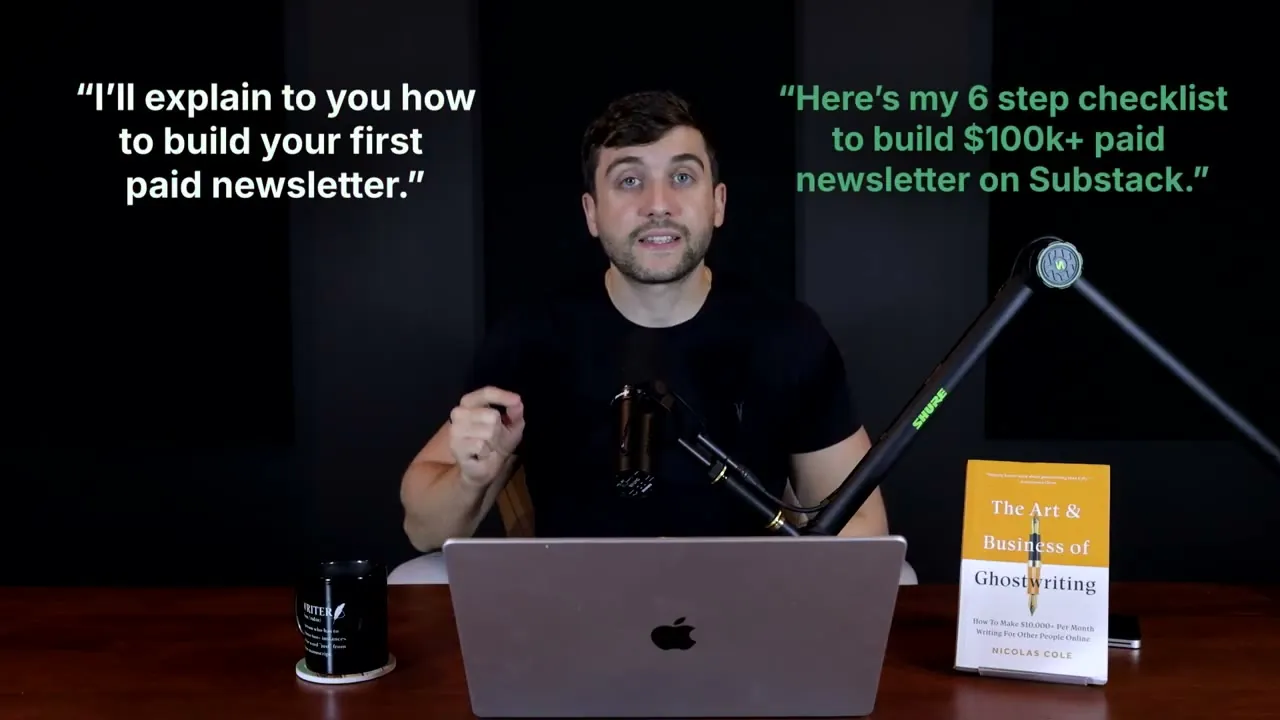
Compare two promises. I will explain how to build a newsletter. Or, here is my six step checklist to build a newsletter. Same topic, but the second one feels like an object.
Find the object for your topic:
- A newsletter on book trends could send a weekly heat map of the best keywords in one category.
- A newsletter on classic novels could send an annotation guide for one story each week.
- A newsletter on kitchen remodeling could send an itemized shopping list for one kitchen style.
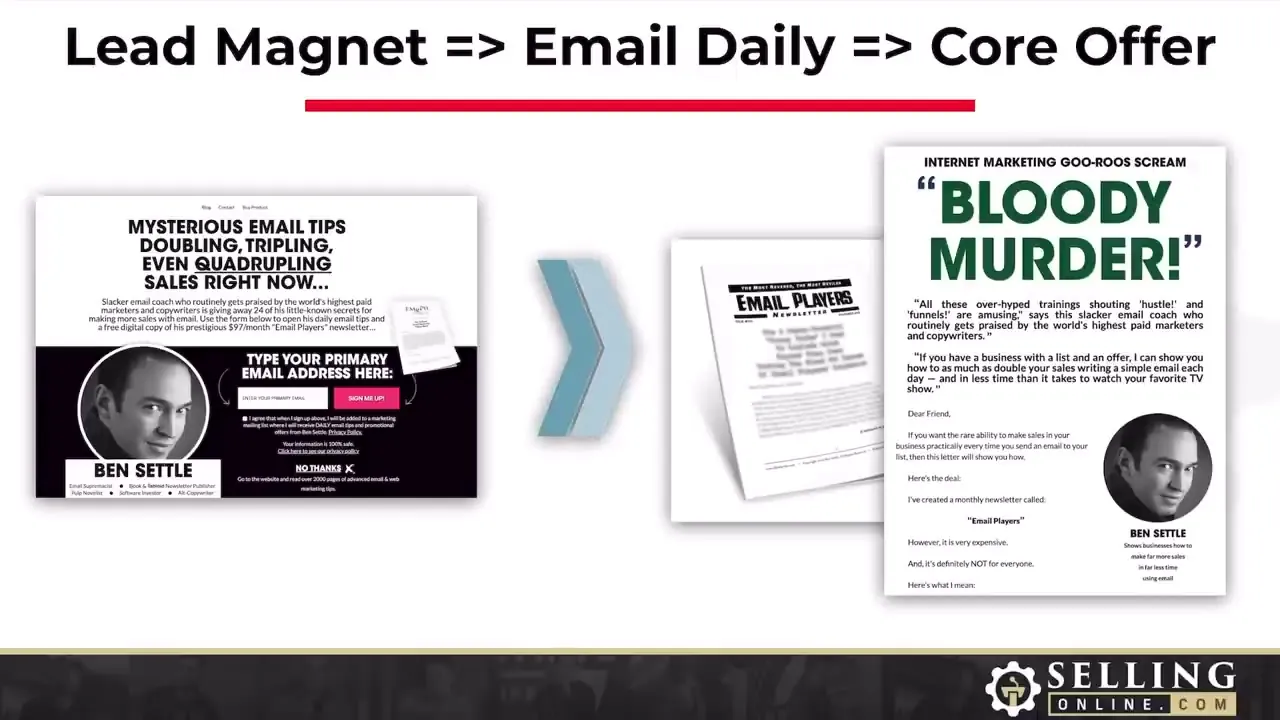
Lead with that object everywhere: on your signup page, in your subject lines and in your posts. A free guide or template people get when they sign up, called a lead magnet, often works far better than sign up for my newsletter.
How do other creators help your newsletter grow?
Relationships are the hidden lever. Many big newsletter writers were part of small groups where they shared ideas. But a relationship only helps if you ask.
- Join or start a small group of creators at your stage. Seven writers who each had 10,000 to 30,000 followers started a group chat to give feedback on each other's posts. Every one of them later passed 250,000 followers.
- Guest post on bigger newsletters. A writer with 3,000 subscribers wrote a long, useful guest post for a newsletter with over 115,000 subscribers, then did it again for another.
- Swap promotions and run a referral program. Recommend a peer's newsletter while they recommend yours, and reward readers who refer friends.
- Give before you ask. One new podcaster asked top hosts for advice, then turned everything they taught him into a free video and gave it back to all of them.
Most of us do not ask because it feels awkward, because we think we should already know, or because we assume people are too busy. The ask is often far easier than it looks.
How do you get in front of new audiences?
Build a Dream 100 list
Your readers already gather somewhere. Make a board with a column for each place: podcasts, Facebook groups, Instagram accounts, YouTube channels, other email lists and blogs. Under each, list the people who already have your ideal reader's attention. Ten in each column makes 100.
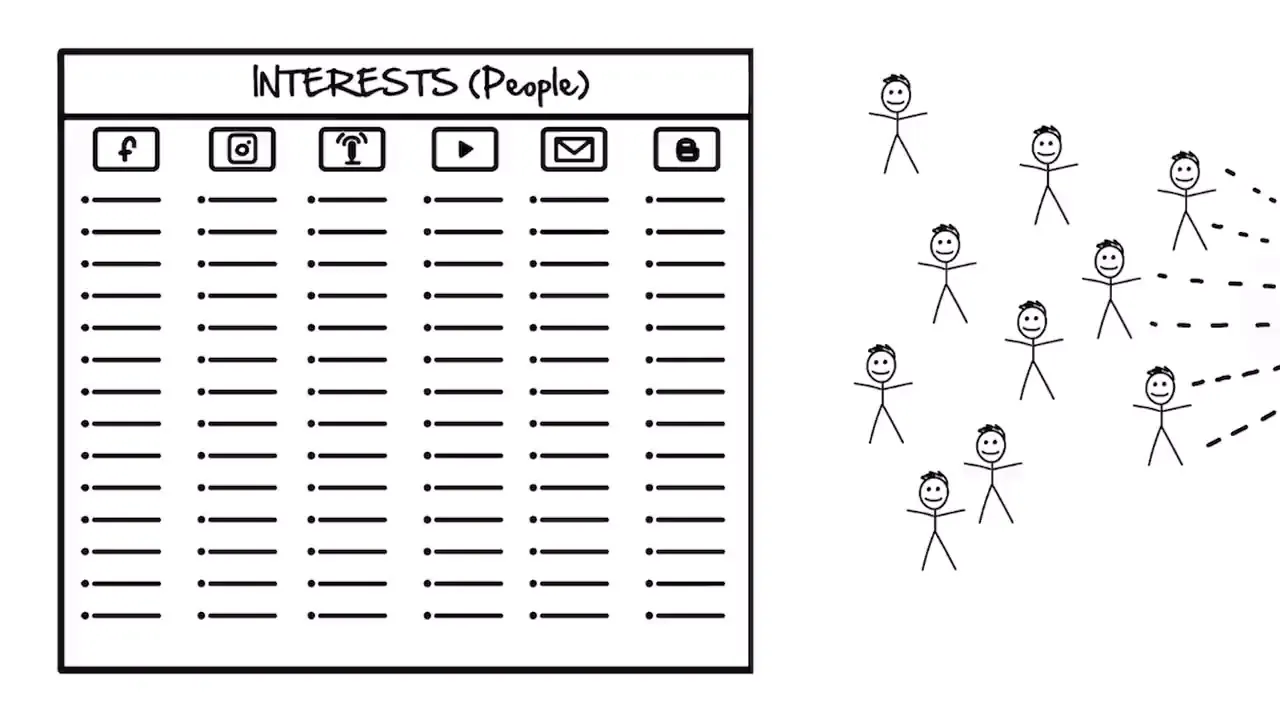
Then pitch them: a podcast interview, a talk to their audience, a guest post. In a podcast app, browse a category to see its top 200 shows, then message the ones in your niche.
Expect most to say no or not reply. Message 200 and you might get 10 or 20 yeses. That is still 10 or 20 new audiences.
Start one tier above you
The biggest names in your space will probably ignore you at first. Go to people one level bigger than you. If your list is 1,000 people, reach out to people with 10,000. As you grow, move up a tier.
Speak as often as you can
Every podcast, webinar, workshop or talk is a chance to send people to your signup page. One speaker set a goal of 550 talks in a year, counting anything that reached two or more people, and posted his count every day. By mid March he had given 202.
Should you pay for newsletter subscribers?
Paid ads are how many large newsletters grow. A common cost is $1 to $3 for each new subscriber through Facebook ads. One business newsletter paid about $1.50 to $2 a subscriber, and a local one paid about 22 cents.
Before you pay, check that people sign up without ads. If nobody subscribes for free, ads will not fix it.
To see what works, look up other newsletters in Meta's ad library and find the ads they have run the longest. An ad that has run for a year is still working. Use it for ideas, not to copy. Simple image ads are fine to start, and an ad that offers a free template or guide usually beats one that only says subscribe.
What should your emails be like?
Write emails people enjoy, not corporate reports. One email writer has sent a short email every single day for close to 20 years, each one about the same paid offer.
The pattern is hook, story, offer.
- Hook. Your subject line. It has to stand out among hundreds of emails.
- Story. Something that happened in your life that connects to your topic.
- Offer. A short pointer to the thing you sell or the next step.
Do not think in word counts. Some emails need 400 words and some need 2,000. What matters is that the reader gets something useful.
The Influencer Program is a free creator community that teaches you and helps you grow, with free guides and content. We are not talent managers or an agency that signs you, and there is no contract. If you have not launched yet, start with how to start a newsletter, and for LinkedIn, read how LinkedIn newsletters work.
Join the free creator program
Free training to grow, a community of creators, and weekly feedback on your videos. No contract.
(Put your real links. No follower minimum, but you need to be an active content creator, otherwise you get rejected)
What numbers should you watch?
| Number | What it tells you | A rough guide |
|---|---|---|
| Open rate | How many subscribers open each email | Below 30% means a problem, 30% to 50% is where most newsletters sit, above 50% is excellent |
| Readers per send | Subscribers times open rate | 20,000 subscribers at 50% opens is 10,000 readers |
| Sponsor rate (CPM) | What a sponsor pays per 1,000 opens | About $20 for a consumer list, $100 to $500 for a business list |
| Cost per subscriber | What ads cost you for each signup | Often $1 to $3 |
| Paid subscription | What readers pay to get the paid posts | About $5 to $50 a month |
To raise your open rate, make your subject lines more tangible. Clicks matter less than what people do after they click, like buying or applying.
A newsletter earns in four main ways: sponsors who pay by the open, paid subscriptions, your own products, and affiliate links. For more on that side, read how to get brand deals.
What can you do this week?
- Pick the one tangible thing your newsletter gives each week, and rewrite your signup page around it.
- Post about your topic every day on one platform, and mention the newsletter each time.
- List 20 podcasts, newsletters and groups where your readers already are.
- Pitch five of them that are one tier bigger than you.
- Ask two creators at your stage to swap promotions or start a feedback group.
More guides
- What it takes to make money on TikTok Shop full time
- Sell supplements on TikTok Shop without getting your videos pulled
- Earn commission from Shein with the outfits you already post
- Get paid on ShopMy for the products you already post
- Make short form videos that stop the scroll and hold attention to the last second
- Get into the Target affiliate program and earn up to 8% on what your followers buy
- Understand the TikTok algorithm and get your videos to the right people
- Get found by brands on TikTok's creator marketplace, now called TikTok One