The Influencer Program / Guides
Start a newsletter people open, and grow it into something that pays
Pick your reader, pick a platform, send your first issue, and grow it with the people already writing in your space. The numbers, the platforms and the first steps, shown on real screens.
- 7 min read
- Updated Nov 23, 2026
- 100% free community
(Put your real links. No follower minimum, but you need to be an active content creator, otherwise you get rejected)
To start a newsletter, decide exactly who you are writing for, pick a platform like Substack, Beehiiv or ConvertKit, and send one issue a week. Then point every social post you make toward your sign up page, and grow by working with other writers in your space.
A newsletter is worth it for creators because you own the list. A post reaches whoever the algorithm picks. An email goes straight to the people who asked for it.
Why start a newsletter?
- It reaches people directly. Your past emails, not an algorithm, decide whether you land in the inbox.
- People still read email. About 61% of people check email several times a day, and people of every age group read it.
- It pays back. Estimates put the return at $35 to $45 for every $1 spent on email.
- It is an audience you own. Your list stays yours wherever your followers came from.
Who are you writing for?
This is the most important choice. It is less about a niche and more about a who.
- Name your reader. Their age, their stage of life, what they want. For example: creators over 40 who want to earn more online.
- Only write about what your reader cares about. A tangent about your hobby loses people unless they share it. If a topic gets no likes, comments or shares, stop writing about it.
- Go narrow. The more specific your reader, the more sponsors pay to reach them, and the clearer it is what you could sell them later.
- Make the writing great. There are so many newsletters now that each subscriber is worth less than it was, and sponsors pay little for emails people skim. Content first, growth tricks second.
Topics that tend to do well include finance, food, productivity, life stages like midlife or college, wellness and self help. Write in the first person: your story, your problem, how you solved it. That is what separates a newsletter from a list of tips on a blog.
Which platform should you use?
Substack
Free to start, with an audience built in. Substack shows your posts to people who read similar writers. Other writers can recommend your newsletter, and you can see how many subscribers each recommendation sent you. Notes, short posts on its social feed, help people find you too. At the top of Substack there is a list of categories and a bestseller list. If a few people who write about your topic are on it, there is room for you.
Beehiiv
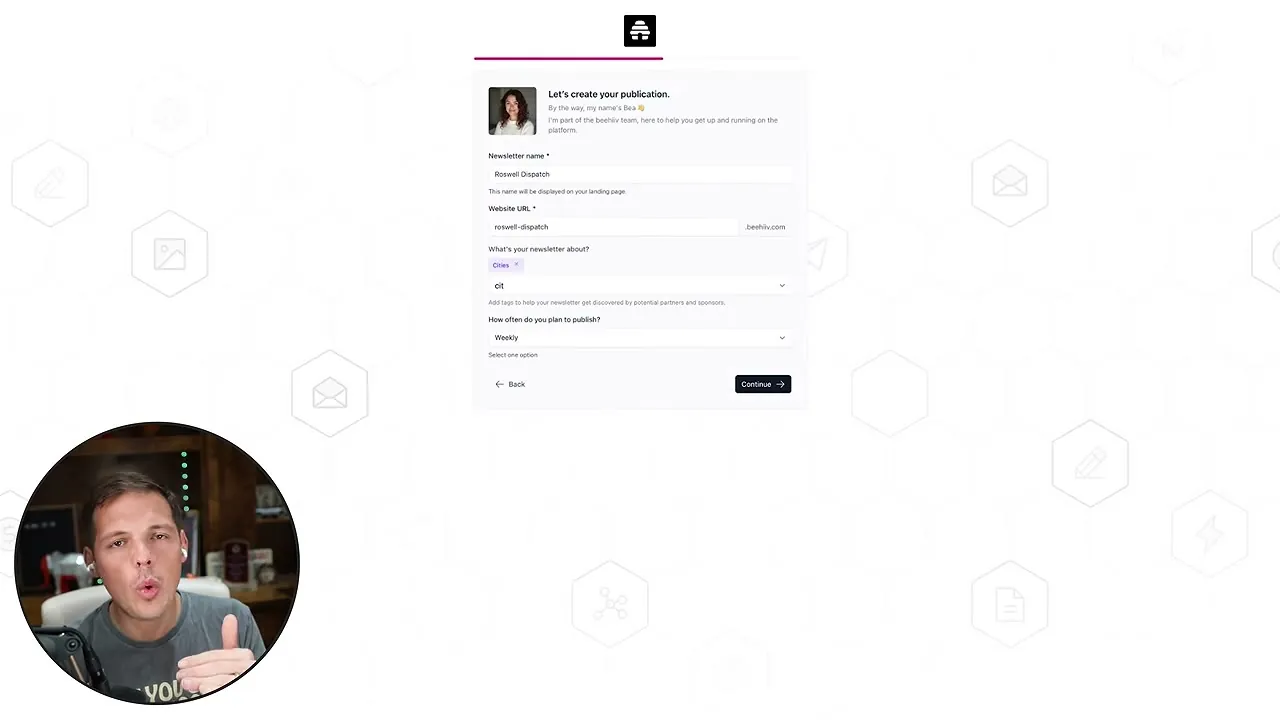
Gives you a newsletter, a website and growth tools in one place. You pick a name, a template and how often you will publish. It has recommendations with other newsletters, boosts where you pay another newsletter for each subscriber it sends you, a referral program, polls, a survey for new subscribers and an ad network for sponsors.
ConvertKit
An email platform that suits creators who collect sign ups from many places, like YouTube, Instagram and a blog. It lets you tag people by where they came from, send them a matching series of emails, and sell your own products inside your emails.
One warning: do not import people who signed up elsewhere into Substack. They did not join there, unsubscribes go up, your emails start landing in spam, and you could lose your account. Keep a separate email list for them.
| What | The numbers |
|---|---|
| How often to send at first | Once a week, or even once a month |
| How often top email marketers send | About three times a week |
| Length of a quick tip email | Under 200 words, about a minute to read |
| Paid newsletter prices | Often $5 to $15 a month, some charge $20 |
| A yearly paid plan | $150 a year against $20 a month |
| Substack bestseller badge | Over 100 paid subscribers |
| Sponsor rates | $20 to $100 per thousand opens |
| Example at $50 per thousand opens | 10,000 subscribers, 50% open, $250 a send |
| New subscribers who fill in a welcome survey right away | Over 50% |
What do you send?
Write stories, not reports
Corporate looking newsletters full of stats do not hold attention. Entertainment does. A simple shape that works for almost any email:
- Hook. Your subject line. It has to stand out among the hundreds of emails in an inbox.
- Story. Something that happened to you this week that connects to your topic.
- Offer. One link to the next step: your product, your video, your paid edition.
Keep a format people can count on
Use the same layout every time so readers know what they get. One good structure: a short quote or idea that rewards the reader for opening, one clear lesson, a call to action, and a PS. After the subject line, the PS is the most read part of an email.
- Write the preview text yourself. One in four people read it before they open.
- Keep it mostly plain text, with one or two links and no images, so it looks like a real email.
- Check how it looks on a phone.
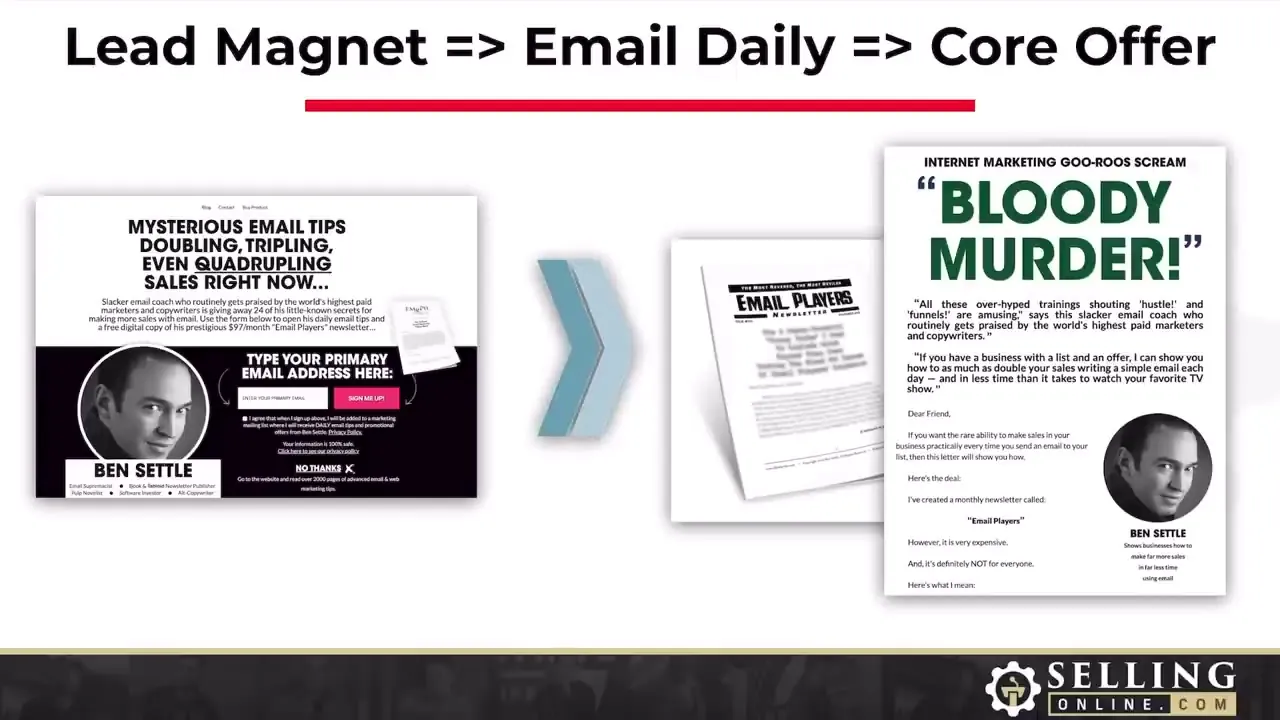
Start your welcome email strong
The welcome email is the first thing new subscribers see. Use it to tell them why they should stay, not only to hand over a freebie. Ask them to reply, for example by replying yes to get a bonus. Replies help keep you out of the promotions tab.
How often should you send?
Pick a pace you can keep. Starting with five emails a week and then dropping to one feels like failing, even if readers do not mind.
- Start with once a week, or once a month if you are busy.
- Write a batch ahead. Twelve or 24 emails can take half a day, and then a whole year of sends is done.
- Add more sends later. More sends mean more room for sponsors, but also more work.
The Influencer Program is a free creator community that teaches you and helps you grow, with free guides and content. We are not talent managers or an agency that signs you, and there is no contract.
Join the free creator program
Free training to grow, a community of creators, and weekly feedback on your videos. No contract.
(Put your real links. No follower minimum, but you need to be an active content creator, otherwise you get rejected)
How do you get your first subscribers?
Post about it every day
Write one main article a week, then cut it into small posts for the platforms your reader uses: LinkedIn, X, Instagram stories or Reels, Facebook or Substack Notes. Every post points back to your newsletter.
Work with people already in your space
The hidden way top newsletters grow is through other people. Swap recommendations, cross promote, write a guest post for a bigger newsletter, or join a small group of writers at your stage who share feedback on each other's work.
When you ask for help, give something back. Turn what you learned from people into something useful you can hand to them.
Speak where your reader already listens
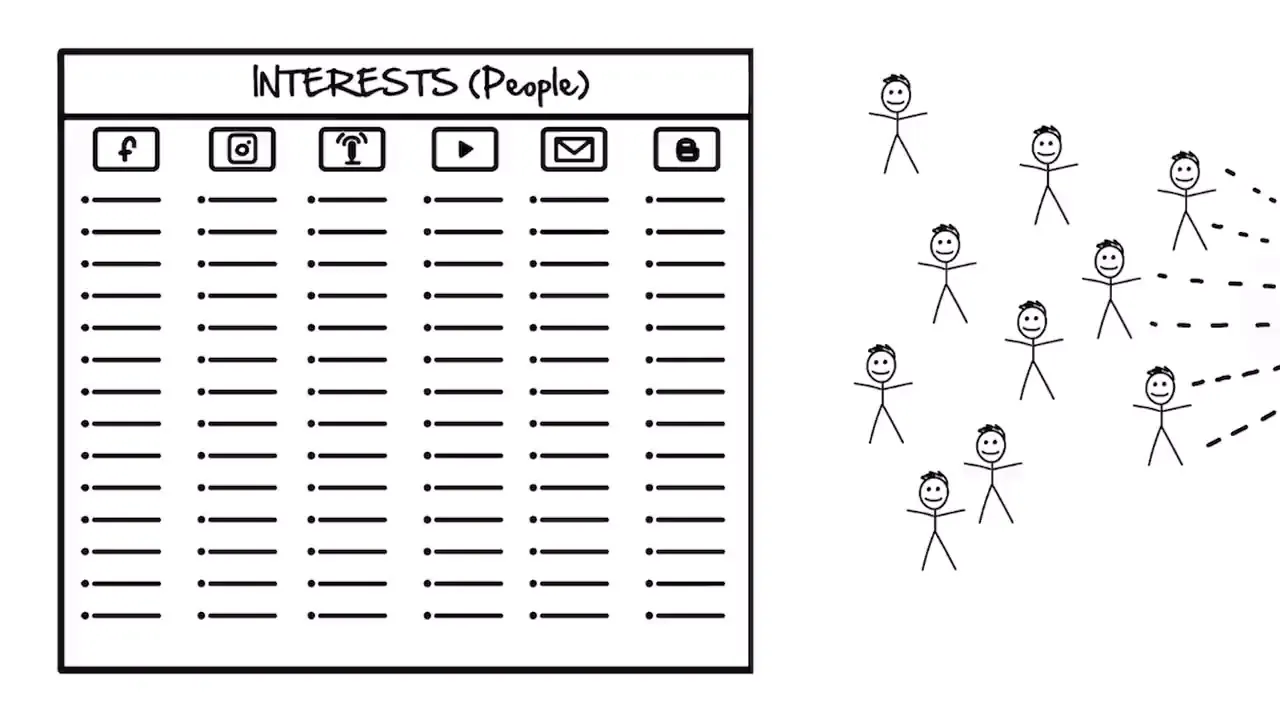
Make a list of where your readers already spend time: podcasts, YouTube channels, Facebook groups, other newsletters and blogs. Then offer to show up there with a talk or interview. Start with people one level above you, not the biggest names. Most will not answer, and that is normal.
Use the tools your platform gives you
- Referral program. Reward readers who share. Make the first reward for a single referral, so everyone can reach it.
- Polls and surveys. Ask new subscribers what they want right when they join, while they are excited.
- Paid growth. Some newsletters pay for sign ups with ads. In one test, a local newsletter got subscribers for about $1.15 each on the first day. Grow organically first so you know people stay before you pay.
How do you stay out of spam?
- Make unsubscribing easy. People who stay but never open hurt your delivery to everyone else.
- Expect more unsubscribes on your first email if you have not sent in a long time. That is normal.
- Send different emails to different groups of readers, so each gets what fits them.
- Keep money words and extra links to a minimum.
How does a newsletter make money?
- Sponsors. Brands pay to appear in your emails, usually priced per thousand opens. Your first sponsors can come from your own readers: ask who wants to advertise.
- Paid subscriptions. Charge for a paid edition with more depth, often $5 to $15 a month, with a cheaper yearly plan.
- Affiliate links. Recommend tools and products you use and earn a cut. Always say that you do.
- Your own products. Guides, ebooks, templates, a course or coaching.
- Paid recommendations. Some platforms pay you to recommend other newsletters.
For more ways to earn, see affiliate links and how to make money on YouTube.
What can you do this week?
- Write one sentence that describes your reader.
- Sign up for Substack, Beehiiv or ConvertKit and set your name and schedule.
- Write your welcome email and ask readers to reply.
- Write your first issue as a story with one lesson and one link.
- Post about it on one social platform every day this week.
- Make a list of 10 newsletters, podcasts or channels your reader follows, and reach out to two.
More guides
- Start a YouTube vlog with the phone you already have, and keep going long enough to grow
- Use hashtags the way the platforms read them now, and put keywords to work instead
- Get paid every time a follower uses your discount code
- Find an influencer niche that grows your account and still feels like you
- Get into an influencer program that fits your channel
- Build a rate card that tells you what to charge before a brand asks
- Earn a cut of every sale your Instagram posts bring in
- Understand the Instagram algorithm and get your posts in front of more people