The Influencer Program / Guides
Build a content strategy that grows the right audience and pays you back
Your goal, your niche and pillars, one platform to start, where ideas come from, and the numbers that tell you what to change next.
- 8 min read
- Updated Nov 25, 2026
- 100% free community
(Put your real links. No follower minimum, but you need to be an active content creator, otherwise you get rejected)
A content strategy is your plan for what you post, who it is for, where you post it, and how it pays you back. It starts with your goal, not with the algorithm.
Most creators skip the plan, post random videos, and wonder why nothing grows. A simple plan fits on one page.
What is a content strategy for a creator?
It is the set of choices behind every post: who you are, who you talk to, your topics, your main platform, your numbers, and how the audience turns into income.
The goal comes first, because every other choice follows it. Say your goal is to get people invested in a long project, like a book you are writing. Videos of 5 to 7 seconds might get you reach, but they cannot tell that story. Chasing what the algorithm seems to want this month pulls you away from your goal and confuses your followers.
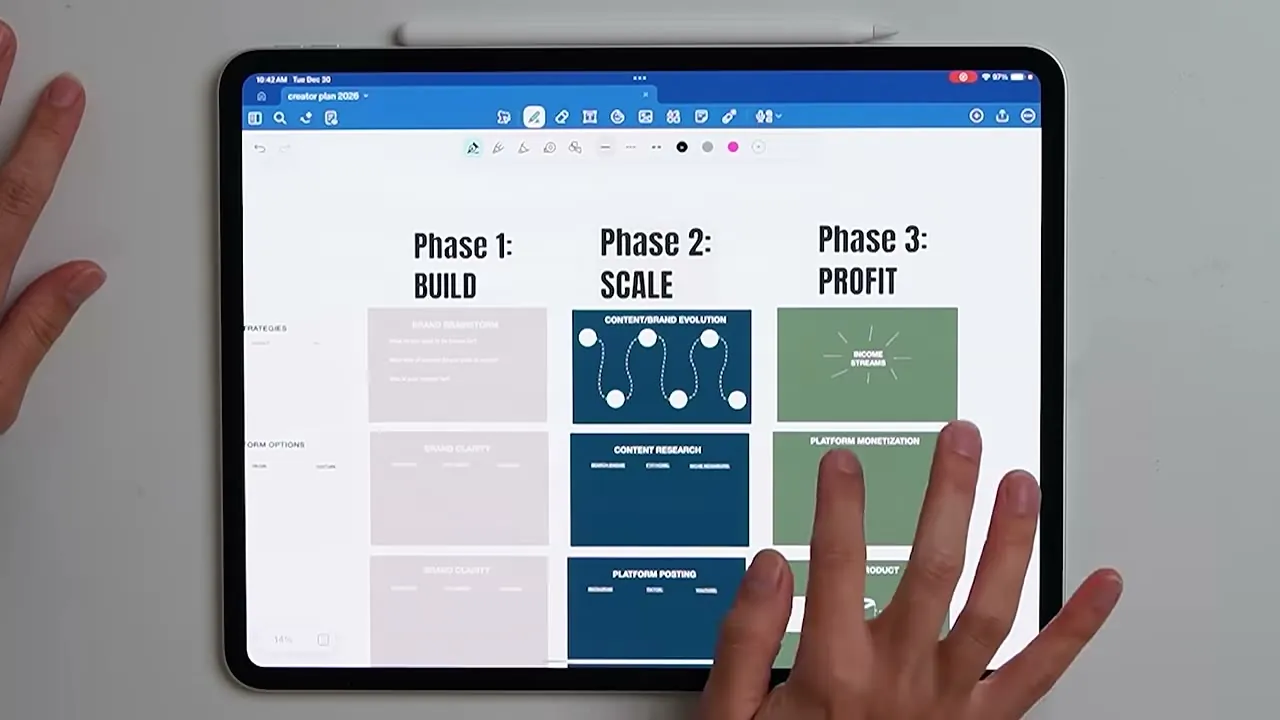
How do you build a content strategy, step by step?
Step 1: Write down your goal
Pick what you want content to do for you. Work with brands. Sell a product or a service. Book clients. Build a community around your work. You can have more than one, but write each one down with a time frame and what it looks like in detail.
Step 2: Say who you are in one sentence
Write a single sentence that says who you are and why you create. For example: a watercolor artist and illustrator who inspires you to connect with your inner child and chase your dreams. This sentence sits behind every post. It is what keeps you consistent.
If you are stuck, answer three questions:
- What do you want to be known for 1 year from now, and 3 to 5 years from now?
- What kind of content do you want to make?
- Who is it for, what are they struggling with, and how can you help?
Still stuck? Ask someone close to you what they would come to you for advice on, or list the brands you would love to work with. Your answers are a starting point. Clarity comes after you start posting.
Step 3: Pick your approach
There are three ways to set up a page.
- Niche. You say who it is for, what you make, and how you help. Fitness is a category. At home workouts for busy moms is a niche. This is usually the fastest way to grow.
- Audience. You post for one kind of person and cover anything they care about. A page for college students can cover dorm plants, budget meals and study tips. Growth is usually medium.
- You as the brand. You post about your life and interests. This tends to be the slowest, and it still needs a plan behind it.
For more on choosing, read how to pick your influencer niche.
Step 4: Choose your content pillars
Pillars are the subtopics you rotate between. They do not all need to appear in every post. Together they make up your feed.
A home organization page for busy moms could use five pillars: room by room organizing, quick wins like a 10 minute tidy, long term systems like chore charts, time saving tips, and budget hacks. A lifestyle creator can use life pillars instead, the things that come up every day, like coffee, books and getting back to working out.
Step 5: Pick one platform first
You win by being great in one place, not average in six. Put your research and effort into one platform. Repurpose to others only when you have time. See how to repurpose content for that part.
Each platform rewards something different.
| Platform | What tends to work | How it treats new creators | Rough rate for one sponsored post at 100,000 followers |
|---|---|---|---|
| TikTok | Fast, low production talking videos, a hook in under 4 seconds | Judges each video on its own, so it is a good place to test ideas | $2,000 to $7,000 |
| Behind the scenes Reels that feel like hanging out, and carousels | Tends to sort the whole account under one topic, so a clear niche matters | $2,500 to $7,500 | |
| YouTube | Story led lessons, case studies and how to videos people search for | Slowest to grow, but content lasts a long time and it pays the best | $5K to $15K |
| Practical lessons and frameworks for professionals | A quote as a picture with value in the caption does well | $1,500 to $8,000 | |
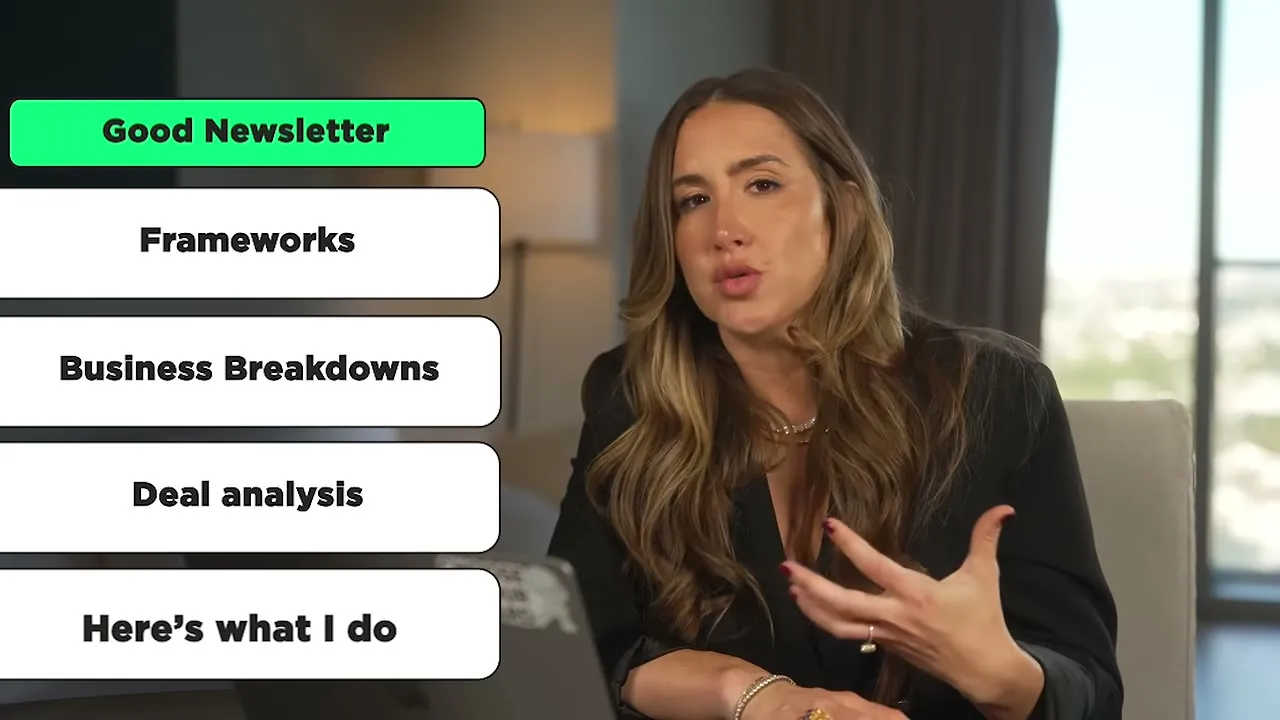
| Newsletter | Frameworks and here is what I do content | You own the list, and sponsors price it on opens and clicks | $1,500 to $5K a send |
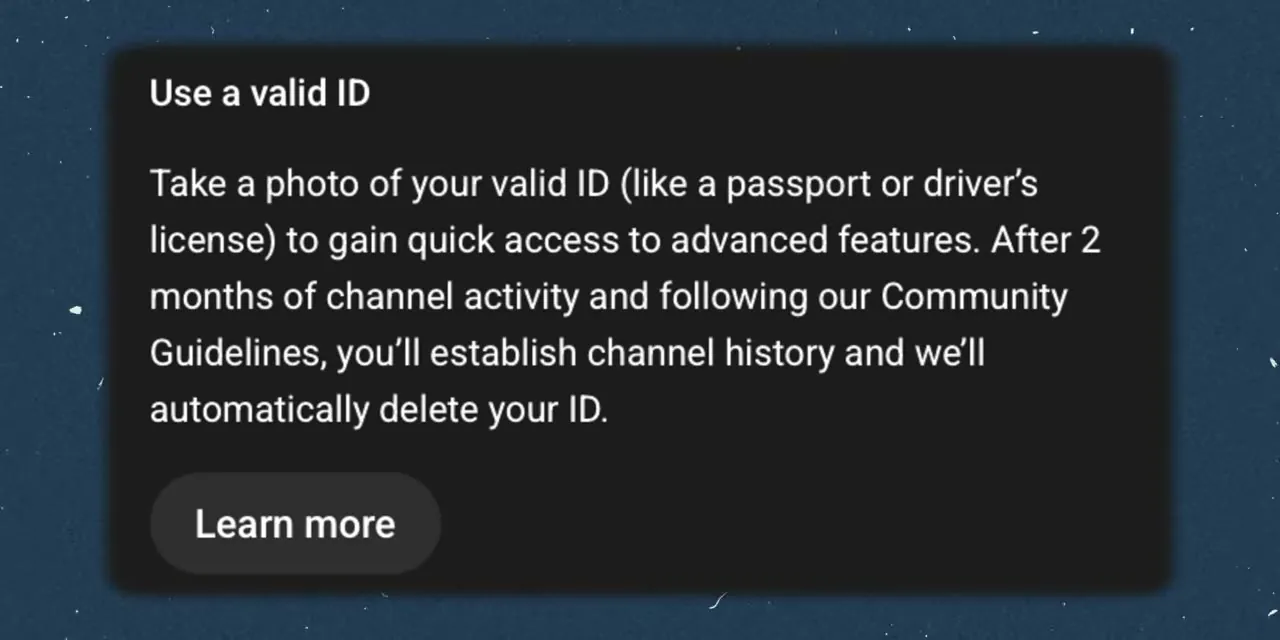
A new YouTube channel can also verify with an ID in YouTube Studio to get advanced features sooner.
Where do content ideas come from?
Your audience is already telling you what they want.
- Search. YouTube is the second biggest search engine in the world. Plan videos that answer real questions, with titles like how to do a specific thing. These can keep getting views long after you post.
- Outliers. Look for a video with far more views than its channel usually gets. Ask why it worked, the topic, the title or the thumbnail, then adapt the idea to your niche. Do not copy it one for one.
- Trends. Take a big topic everyone is talking about and bring it into your niche in a narrow way.
- A swipe file. Search your niche, save the top posts, and note each one's thumbnail, first 30 seconds, top comments and sponsors.
- Comments. Read the questions nobody answered under popular videos, in Reddit threads and in Discord groups. Each one is a next video.
- A problem bank. Save the exact words people use to describe their problem, and use their words in your hooks.
How do you stand out in a crowded niche?
Go where your competition is not. Three ways to do that:
- Combine two skills that do not usually meet, like investigative stories with film style visuals.
- Serve a gap. Broad topics are crowded. A narrow corner, like budget cameras from one brand, has far less competition.
- Use what you have access to. A job, a skill, free time or an industry you know gives you something others cannot copy.
Then repeat yourself on purpose: formats people come back for, the same words for your big idea, and a look people spot in a feed.
People trust you more when you look like you belong on the platform, talk about what you have really done, and show yourself doing the work. Heavy production often does worse. A raw video filmed in a kitchen can beat a polished studio video by a wide margin.
How should each video be built?
Plan the topic, the title and the thumbnail before you film, not after. If nobody clicks, the video inside does not matter. Our guide on writing YouTube titles covers that step.
Most short videos follow one shape:
- Hook. Grab attention in the first 3 to 5 seconds, with words on screen, a visual or sound.
- Value. Teach, entertain or inspire.
- Call to action. Follow along, join a list, or buy. It can be in the caption or only hinted at.
You do not need a fancy camera. Film on your phone's back camera, buy a decent microphone before anything else, and use window light.
How often should you post?
Post as often as you can keep up without burning out. There is no magic number. Some creators grow fast posting once a week, others win on volume.
Before you launch, batch three or four videos, so the habit forms before one result can throw you off.
The algorithm sends views. Brand deals and your own products turn them into income. The Influencer Program is a free creator community that teaches you and helps you grow, with free guides and content. We are not talent managers or an agency that signs you, and there is no contract. For a posting plan, read how to build a content calendar.
Join the free creator program
Free training to grow, a community of creators, and weekly feedback on your videos. No contract.
(Put your real links. No follower minimum, but you need to be an active content creator, otherwise you get rejected)
How do you know if your strategy is working?
Treat your numbers as a map, not a grade. After each post, write three notes. Why did people start watching? Where did they leave? What line got a reaction? Do that across 50 posts and you will see your own pattern.
| Platform | Number to watch | A good sign |
|---|---|---|
| YouTube | Click through rate | About 4 to 7% |
| Share rate | About 4% is excellent | |
| Watch time | Over 50%, or over 60% on a 15 second clip | |
| X | Reply rate | 1 to 3% is excellent |
| Engagement rate | 4% or more, 6% puts you near the top | |
| Newsletter | Open rate | 30% is the baseline, over 40% is great |
Match the number to your goal. To grow a channel, watch views and find more outlier ideas. To deepen trust, make longer videos that hold attention and watch your watch time. To sell sponsor slots, keep your views steady from video to video.
Judge views against your real market. A video for a small group of buyers can be a big win at a few thousand views.
How does a content strategy make money?
Plan the money before you start, not after. Ad revenue is usually the weakest way to earn. Spread it out with affiliate links, brand deals and your own products.
Build a ladder of offers at different depths:
- Free content, which earns trust.
- A low priced guide or template, up to about $50.
- A course, community or event, $50 to $500.
- A cohort or membership, $500 to $5,000.
Start with free content and a free newsletter, add one small paid step, and add the next rung only when the one below is full.
What can you do this week?
- Write your goal and your one sentence brand statement.
- Pick your approach and list four or five content pillars.
- Choose one platform and study ten top posts in your niche.
- Start a swipe file and a problem bank from the comments you read.
- Plan three videos with the title and thumbnail decided before you film.
More guides
- Spot creator burnout early and build a creator life you can keep up for years
- See who the creator economy pays, and how small creators get in
- Make a media kit that gets a brand to reply
- Build a Discord community your audience actually joins and stays in
- Edit Instagram videos that look sharp and keep people watching
- Sell on TikTok Shop without showing your face
- Free coaching, training and a community for creators
- Learn TikTok Shop affiliate for free, one step at a time