The Influencer Program / Guides
Know every way creators get paid, and start earning from the first one you can reach
The main ways the money comes in, what a brand deal looks like from first email to payment, what creators earn at different sizes, and what to do first. Shown with real offers and contracts.
- 7 min read
- Updated Nov 22, 2026
- 100% free community
(Put your real links. No follower minimum, but you need to be an active content creator, otherwise you get rejected)
Influencers get paid in four main ways: brand deals, where a company pays a set fee for content, affiliate commission on what followers buy through their link or code, payouts from the platforms themselves, and selling their own products.
Most full-time creators mix several of these. For many, brand deals are the biggest share of the money, with affiliate links and platform payouts adding steady income on top.
What are the ways influencers get paid?
Brand deals
| Way to get paid | How the money comes |
|---|---|
| Brand deal | A fee for each piece of content you make |
| Long term sponsorship | A monthly base fee, plus commission and a product allowance |
| Affiliate link or code | A share of each sale, often around 10% |
| TikTok Shop | A commission on every sale your video makes |
| Instagram bonus | By invite, paid on your views every two weeks |
A brand pays you a fee to make content about its product. This is also called a sponsored post, a sponsorship or a paid partnership. You agree on what you will post, and the brand pays the fee.
Some brand deals pay in product instead of money. Early on, the first deal with a brand is often a trade: they send you the product in exchange for posts. If that goes well, the same brand may come back and pay you for the next campaign.
Long term sponsorships
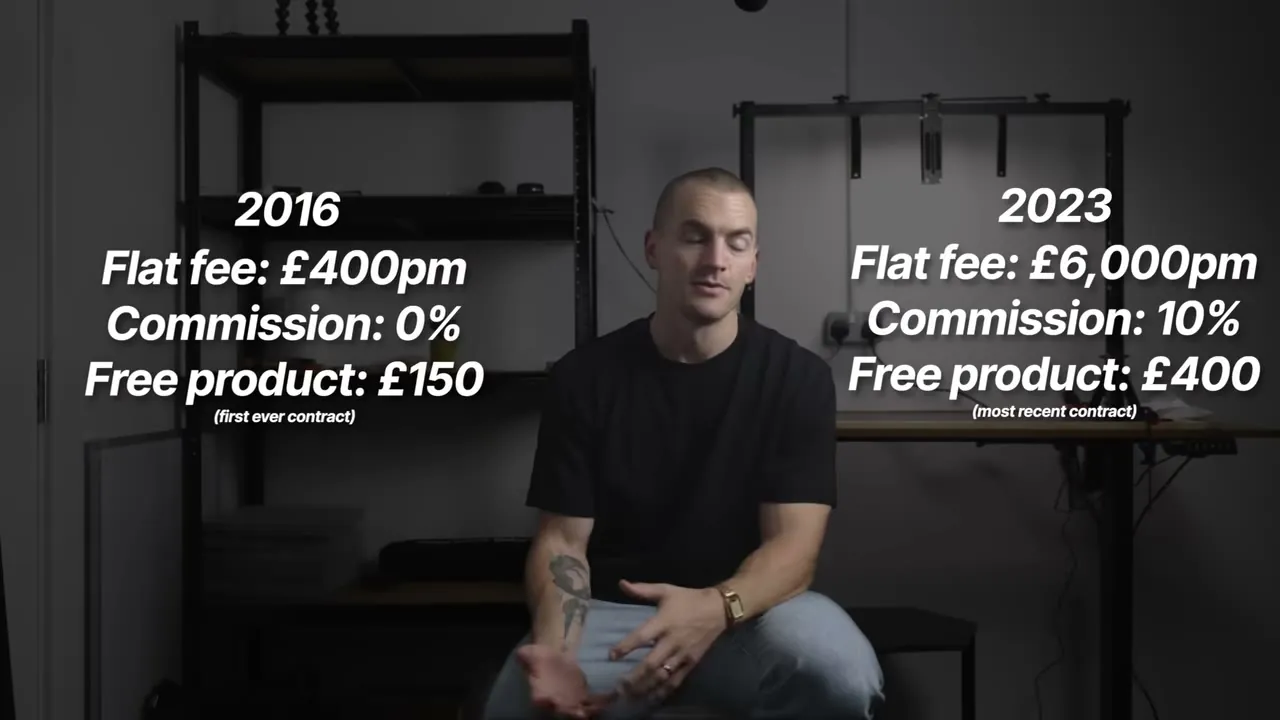
Instead of one post, you sign a contract to post for a brand every month. You get a monthly base fee, a commission on sales from your code, and often a product allowance. The sponsor gets a better rate than paying for individual posts, and you get some steady income. It is common in fitness, with gym clothing and supplement brands, where commission is usually around 10%. A 12 month contract means a year of income you can count on.
Affiliate commission
You share a link or a discount code. When someone buys through it, you get a percentage of the sale. Commission is often around 10%, sometimes much more and sometimes less. You can start this right away at any size, for example with an Amazon affiliate account.
On TikTok Shop you earn a commission every time your video makes a sale. Some creators look for products that pay $3.50 or more per sale. A good video can keep bringing in sales for months after you post it.
Payouts from the platforms
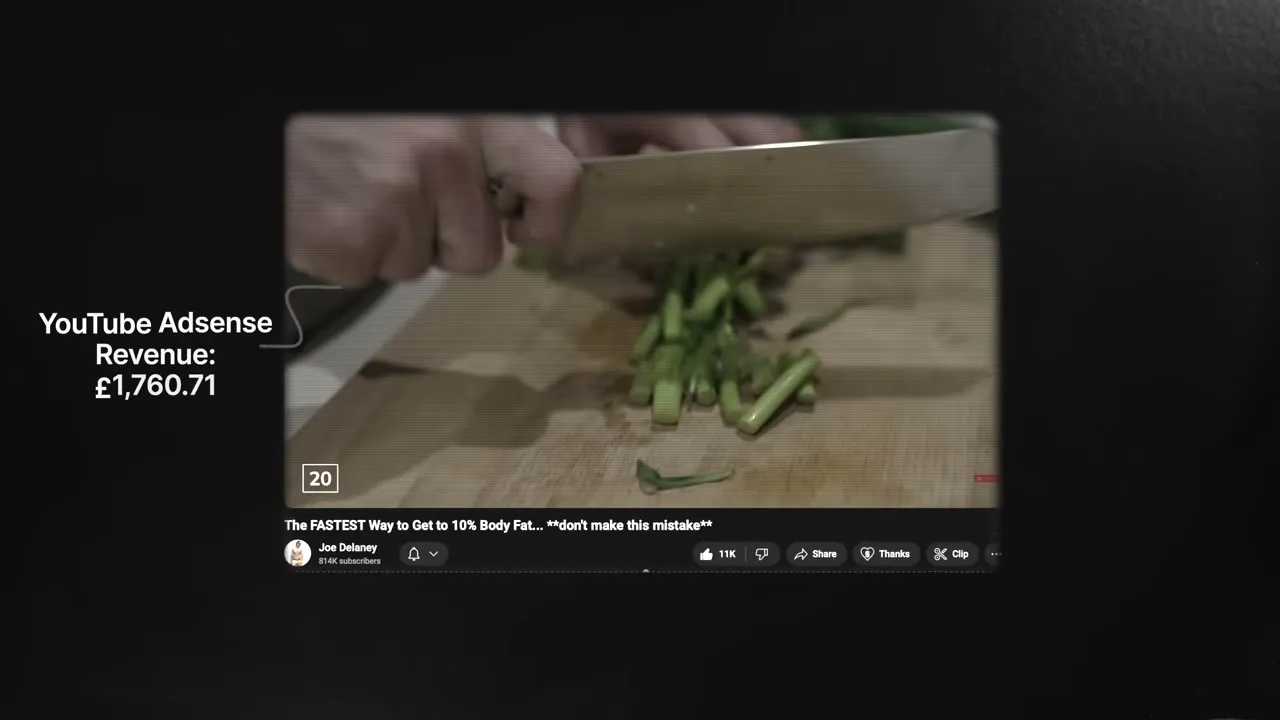
- YouTube. Once you are in the YouTube Partner Program, YouTube splits the ad money from your videos with you. Some topics, like finance and tech, earn much more per view than others. Longer videos can hold more ads, so a deep video on a narrow topic can earn more than one with many more views.
- TikTok. The Creator Rewards Program pays you based on your videos.
- Instagram. Its bonus program is by invite. It pays based on your views every two weeks. For one lifestyle creator with a big following it came to about $150 every two weeks, so it is not something to live on.
Your own products
Creators with an audience also sell their own things: digital products like guides and courses, merch, or a whole product brand. A digital product sells best when it solves a problem your followers have.
How does a brand deal turn into money?
A brand reaches out, or you pitch them
Brands find creators through search tools that scan posts for keywords, through emails, and through creator campaign platforms where brands post paid campaigns and creators apply. Many creators land their first paid deals on those platforms. If you pitch, expect about one reply for every 10 pitches, and follow up. A follow up two weeks later, and even a third one, can turn into a yes.
You ask questions before you name a price
Before you give a number, get as much information as possible:
- Deliverables. What they want you to make, such as one reel, two reels, or stories.
- Timeline. When everything has to be done.
- Usage rights. Who owns the content after you make it. If the brand wants ownership, it typically has to pay for it. See usage rights for creators.
- Exclusivity. Whether you must avoid working with their competitors, and for how long. A long list of competitors can block other deals for months, so it costs more.
You price it from your base rate
Start from your base rate, the least you charge for a piece of content, then add for each extra. Raw footage, reposting to your other platforms, extra formats, and a comment to DM link setup all cost extra. That is why two deals rarely pay the same. To work out your own starting numbers, see how to build a rate card.
You sign, make the content and revise
Once both sides agree, you sign a contract. Then you usually send a concept and a script, make the video, and post it along with any stories in the deal. At least one round of changes is normal.
Treat it like a business. Keep the brand updated at each step, like when the script is ready, when you film and when the edit will be done. Brands come back to creators who are easy to work with, and that is how a one time deal becomes a long contract.
Save for taxes
Creators who do not save enough for taxes can end up owing back taxes, which is a scary place to be. Keep a share of every payment for tax time, and keep track of what comes in and goes out as you go.
Brand deals are where most creators start to earn real money. The Influencer Program is a free creator community that teaches you and helps you grow, with free guides and content. We are not talent managers or an agency that signs you, and there is no contract. Start with how to get your first brand deals.
Join the free creator program
Free training to grow, a community of creators, and weekly feedback on your videos. No contract.
(Put your real links. No follower minimum, but you need to be an active content creator, otherwise you get rejected)
How much do influencers get paid?
It changes with your size, your niche, your engagement and even the time of year. A few real examples:
- Around 30,000 to 50,000 followers: paid deals of around $500 per video, a few a month. Some paid less.
- Past 100,000 followers: this is often when brand deals start to pay the bills.
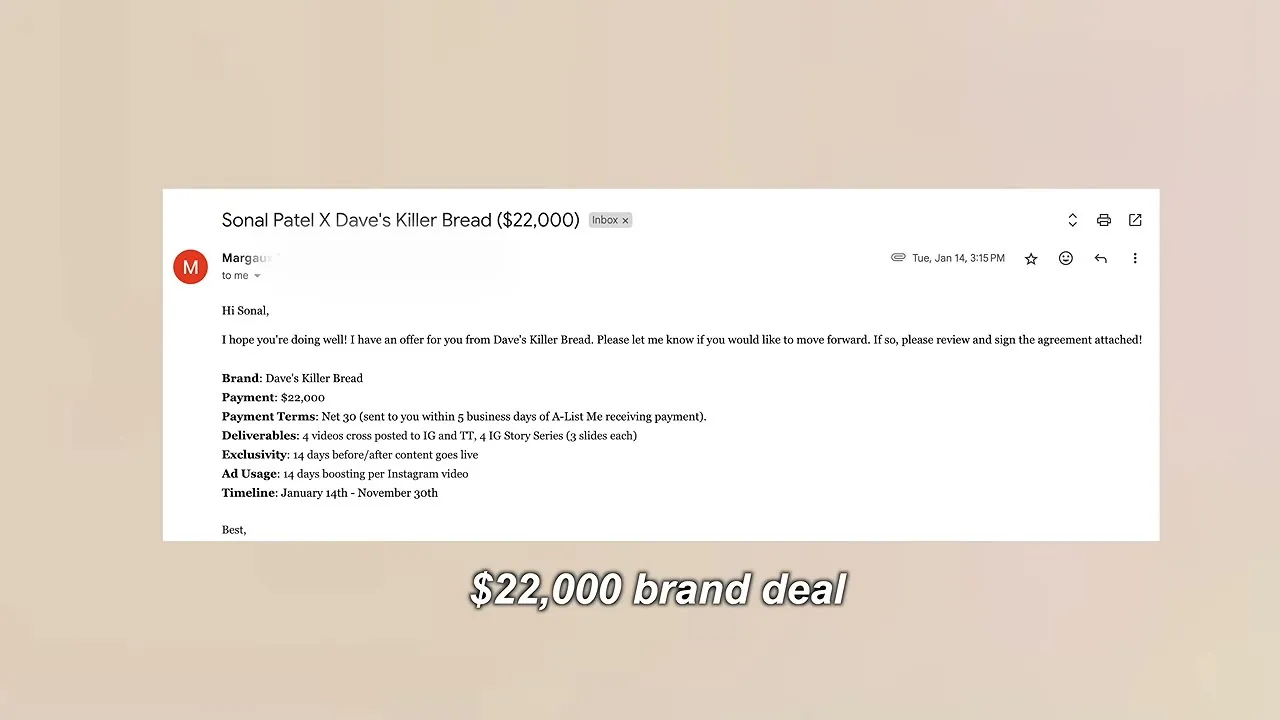
- A larger lifestyle creator: four to six deals a month, each paying at least $3,000, plus long term deals such as $22,000 for four videos.
- Sponsored YouTube segments: from a few hundred to 10,000 for one fitness creator.
Engagement matters more than follower count. A creator whose videos reach 100,000 views, not 10,000, gets paid more. Brands look at how many people watch, how many comment, and whether people genuinely follow you for your content. Sponsored Instagram posts earn a bit less than YouTube, because the reach may be broader but it is more shallow: views do not turn into sales at the same rate.
Most brand deals now include Instagram, about 70% of them by one talent team's count, so it is worth building there if brand money is your goal.
It also takes time. Some creators who now earn well made nothing for their first two years, then very little, before deals grew. Early on, put your energy into your content. Sponsorships come once you have an audience that can bring a brand results.
Do you need an agency or a manager?
Not to start. Many creators handle their first deals themselves. Bigger creators often sign with a talent agency that answers brand emails and negotiates for them. The usual cut is 20% of each brand deal, and an agency asking for more than that is a warning sign. Many agencies also take applications on their websites.
How do you get paid sooner?
- Put your email in your bio. Brands often work from a computer, where Instagram's email button does not show.
- Post like you already have the deal. Once a week, show a product you love in your normal content and tag the brand.
- Keep one topic and post on a schedule. Brands trust a creator who has posted twice a week for a year more than one who posted five times a week for two months and stopped.
- Say no to deals that do not fit. A low offer for a huge amount of work, or a product you would never use, is rarely worth it.
What can you do this week?
- Sign up for an affiliate program you can use today, and add links to the products you already show.
- Add a business email to your bio.
- Make one post that features a brand you love as if they paid for it, and tag them.
- Write down your base rate for one post, and what you would add for usage rights and exclusivity.
- Pitch three brands with a specific idea, and put a reminder in your calendar to follow up in two weeks.
- Read how affiliate links work before you share your first one.
More guides
- Go a bit longer than usual on YouTube. Go shorter on Shorts
- How many videos until one goes viral? We counted 252,849
- Know what affiliate marketing really pays, and how to earn more from it
- Know what TikTok Shop affiliate income looks like before you start
- Posting more doesn't cost you views. It gets you more hits
- Apply to be an influencer and get a yes
- Set up as a digital creator on Facebook and get ready for your first payout
- Become a Pinterest creator people find through search and buy from